Owning and managing a rental property requires more than responding to repairs as they arise. A well-structured annual property maintenance plan helps property owners stay organized, minimize costly surprises, and preserve the condition of their investment.
By scheduling inspections, budgeting for repairs, and completing seasonal maintenance, owners can improve tenant satisfaction while supporting the property’s long-term value and performance.
Understand the Importance of Annual Maintenance Planning
An annual property maintenance plan serves as a roadmap for keeping a property in excellent condition throughout the year. Instead of reacting to unexpected breakdowns or emergency repairs, owners can anticipate maintenance needs and address them before they become larger issues.
This proactive approach reduces repair expenses, extends the lifespan of major systems, and creates a more reliable maintenance schedule.
Routine maintenance also protects the property’s structural integrity. Roofs, plumbing systems, electrical components, heating and cooling equipment, and exterior features naturally experience wear over time. Scheduling regular inspections allows these systems to receive attention before small concerns develop into expensive replacements.
A comprehensive maintenance plan also supports tenant satisfaction. Residents appreciate living in homes that are clean, safe, and well maintained. When maintenance is performed consistently, tenants are more likely to renew leases, reducing vacancy rates and turnover expenses.
Set Clear Maintenance Objectives
Before building an annual plan, establish clear goals for the property. These objectives may include preserving property value, reducing emergency maintenance calls, improving tenant comfort, lowering operating costs, or extending the life of building systems.
Having measurable goals helps property owners prioritize projects and allocate resources more effectively throughout the year.
Organize Maintenance by Season

Dividing maintenance tasks by season makes planning more manageable and ensures that every area of the property receives attention at the appropriate time.
Spring Maintenance
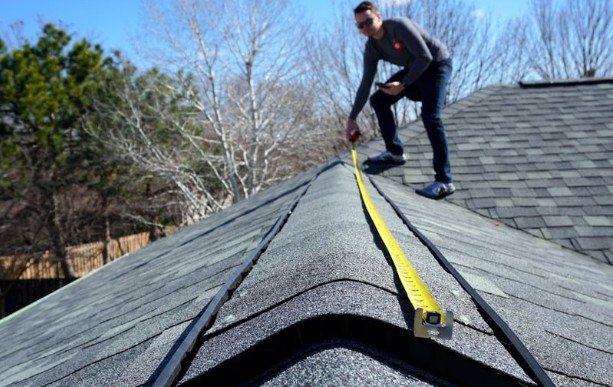
Spring is an ideal time to inspect the property after colder weather. Owners should examine roofing, gutters, siding, foundations, windows, and landscaping for any damage caused by winter conditions. Cleaning gutters, checking drainage systems, servicing irrigation equipment, and inspecting outdoor lighting help prepare the property for warmer months.
Interior inspections should include plumbing fixtures, water heaters, smoke detectors, ventilation systems, and flooring.
Addressing these items early prevents small problems from growing during the rest of the year.
Summer Maintenance

Summer provides favorable weather for larger exterior projects. Repainting surfaces, repairing fences, pressure washing sidewalks, inspecting decks, and maintaining landscaping all contribute to the property’s appearance and durability.
Cooling systems should also receive professional servicing to improve efficiency and reduce the risk of breakdowns during periods of heavy use.
Fall Maintenance
As temperatures begin to cool, preparing the property for winter becomes a priority. Heating systems should be inspected, gutters cleaned again, weather stripping replaced where necessary, and exterior pipes protected from freezing temperatures.
Tree branches should be trimmed away from roofs and utility lines to reduce the risk of storm damage.
Winter Maintenance
Winter maintenance focuses primarily on safety and monitoring. Owners should regularly inspect for roof leaks, frozen pipes, excessive moisture, and heating performance. Walkways should remain clear and safe during periods of snow or ice where applicable.
Seasonal planning ensures that maintenance occurs at the most effective time while reducing unexpected repair costs throughout the year.
Create a Maintenance Budget
A successful maintenance plan includes a realistic financial strategy. Waiting until repairs become urgent often leads to higher expenses and greater disruption for tenants. Establishing an annual maintenance budget allows owners to prepare for both routine servicing and unexpected repairs.
Maintenance costs should be categorized into preventive maintenance, seasonal work, emergency repairs, equipment replacement, and capital improvements.
Reviewing previous maintenance records provides valuable insight into recurring expenses and future replacement timelines.
Property owners should also maintain an emergency reserve fund. Even the best maintenance plans cannot eliminate every unexpected issue, and having dedicated funds available prevents financial strain when urgent repairs become necessary.
Many owners work alongside residential property management companies in Salt Lake City to develop maintenance schedules, coordinate qualified contractors, monitor repair budgets, and ensure that routine inspections remain consistent throughout the year. Professional oversight helps streamline maintenance planning while reducing administrative responsibilities.
Prioritize High-Impact Repairs
Not every maintenance project requires immediate attention. Safety concerns, structural issues, plumbing leaks, electrical problems, and heating or cooling failures should receive the highest priority because they directly affect habitability and property preservation.
Cosmetic improvements can often be scheduled alongside other planned projects to maximize efficiency and reduce labor costs.
Maintain Accurate Records
Detailed maintenance records are valuable tools for long-term property management. Every inspection, repair, equipment service, and replacement should be documented with dates, contractor information, costs, warranties, and photographs when appropriate.
Accurate documentation helps identify recurring issues, supports warranty claims, and simplifies budgeting for future maintenance. It also provides valuable information if ownership changes or insurance claims become necessary.
Digital maintenance logs can improve organization by allowing property owners to quickly access repair histories and monitor recurring maintenance schedules. Reviewing these records annually helps refine future maintenance plans and improve budgeting accuracy.
Conduct Routine Property Inspections
Regular inspections complement maintenance records by identifying concerns before they escalate. Interior inspections may evaluate plumbing, appliances, flooring, ventilation, and safety equipment, while exterior inspections assess roofs, foundations, siding, drainage, and landscaping.
Scheduled inspections also provide opportunities to confirm that tenants are maintaining the property appropriately and reporting maintenance concerns promptly.
Work With Reliable Service Professionals

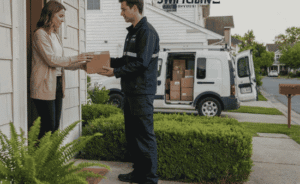
An annual maintenance plan is only as effective as the professionals who perform the work. Establishing relationships with experienced contractors before emergencies occur allows owners to respond more quickly when repairs become necessary.
Rather than searching for service providers during urgent situations, property owners should develop a trusted network that may include plumbers, electricians, HVAC technicians, roofers, landscapers, pest control specialists, and general maintenance professionals.
Obtaining multiple estimates for larger projects helps owners compare pricing and evaluate long-term value instead of focusing solely on the lowest initial cost. Choosing qualified professionals often leads to higher-quality repairs that reduce repeat maintenance and improve the property’s longevity.
Communication is equally important. Clear expectations regarding scheduling, reporting, timelines, and workmanship help ensure maintenance projects are completed efficiently with minimal disruption to tenants.
A dependable team also supports long-term planning by providing recommendations for equipment replacement, preventive servicing, and future improvements that align with the property’s maintenance objectives.
Conclusion
Creating an annual property maintenance plan provides structure, improves budgeting, and helps protect one of your most valuable investments.
By organizing maintenance seasonally, documenting repairs, planning financially, and addressing issues proactively, property owners can reduce costly emergencies while extending the life of their property.
Consistent maintenance not only preserves value but also creates a safer, more comfortable environment that benefits both owners and tenants for years to come.