
Some phrases feel so natural in everyday conversation that I forget they came from a script. That is the fun part about movie quotes used as slang: they jump out of the screen, survive for decades, and somehow fit into texts, memes, office chats, and casual jokes.
I have used “that escalated quickly” after a group chat got dramatic. I have heard “Houston, we have a problem” during work calls when a file vanished. These lines work because they say a lot with very few words.
Movies have always shaped pop culture language. Stacker notes that many slang terms became popular after appearing in movies and TV shows, often spreading so widely that people forget their entertainment roots.
Why Movie Lines Become Everyday Slang
A movie quote becomes slang when it does three things well. It sounds short, emotional, and easy to reuse.
People do not usually repeat long speeches in daily life. They repeat sharp phrases. A good movie line captures panic, disbelief, confidence, sarcasm, or failure in one quick hit.
That is why movie quotes used as slang often appear in situations far removed from the original scene. A space mission line can become a workplace phrase. A comedy insult can become a meme. A villain phrase can become a playful way to describe bad behavior.
These phrases also survive because they carry shared context. When I say “game over, man,” people understand I am being dramatic, not literal. The quote does the emotional work for me.
Single Words and Phrases Movies Made Famous
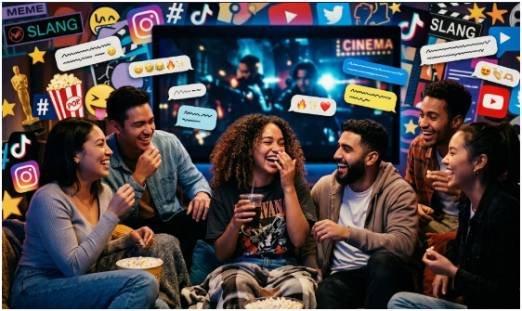
Not every movie-born slang phrase is a full quote. Some are single words or short phrases that became part of regular vocabulary.
Gaslighting
“Gaslighting” comes from the 1938 play Gas Light and the 1944 film Gaslight. Merriam-Webster defines it today as misleading someone, especially for personal advantage, and explains that its modern use grew from the story’s manipulation plot.
In everyday speech, people use it when someone twists facts, denies reality, or makes another person question their own judgment.
Example: “He keeps changing the story and acting like I imagined it. That feels like gaslighting.”
This word carries serious weight. I would not use it for small disagreements or harmless forgetfulness.
Bucket List
“Bucket list” means a list of things someone wants to do before they die. The phrase is widely tied to screenwriter Justin Zackham and the 2007 film The Bucket List. WBUR’s Endless Thread explains that Zackham shortened his own “things to do before I kick the bucket” list into “bucket list.”
Example: “Seeing the Northern Lights is on my bucket list.”
This phrase works because it sounds hopeful, not gloomy. It turns mortality into motivation.
Catfishing
“Catfishing” became widely known after the 2010 documentary Catfish and later spin-off media. Today, it usually means pretending to be someone else online, often through a fake dating or social profile.
Example: “The profile looked fake, so I wondered if I was being catfished.”
This term fits perfectly with modern digital life. It also connects naturally with Social Media Slang Meanings, since online identity, DMs, and fake profiles shape how people talk now.
Paparazzi
“Paparazzi” comes from “Paparazzo,” a photographer character in Federico Fellini’s 1960 film La Dolce Vita. Over time, the character name became a general word for aggressive celebrity photographers.
Example: “The paparazzi followed them outside the restaurant.”
This is one of the best examples of cinema turning a character name into a real-world job label.
Movie Quotes Used When Something Goes Wrong
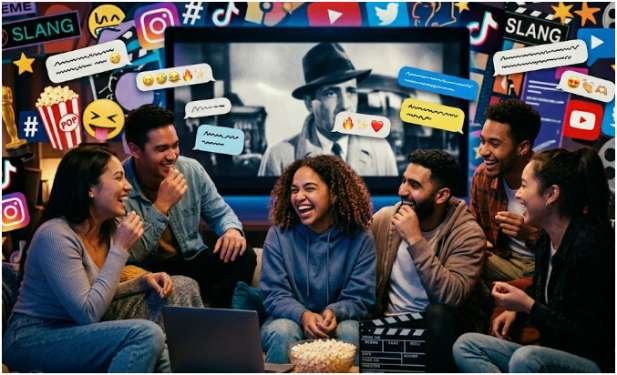
Some of the most popular movie quotes used as slang help people talk about chaos, failure, or sudden trouble without sounding too serious.
“Houston, we have a problem.”
This line is strongly associated with Apollo 13 from 1995. People use it when something unexpected goes wrong.
Example: “Houston, we have a problem. The presentation file will not open.”
The phrase works well in offices, classrooms, road trips, and group chats. It adds humor to a stressful moment without ignoring the issue.
“You’re toast!”
“You’re toast!” became famous through Ghostbusters in 1984. It means someone is doomed, defeated, in trouble, or finished.
Example: “If your mom sees that broken lamp, you’re toast.”
It sounds playful, so it works best in light situations. I would not use it for serious consequences.
“Boy, that escalated quickly.”
This line from Anchorman became perfect internet slang. People use it when a situation gets intense much faster than expected.
Example: “One comment turned into a 40-message debate. Boy, that escalated quickly.”
I see this phrase work best in online conversations because it captures the exact rhythm of modern drama.
“Game over, man! Game over!”
This dramatic line from Aliens is used when a plan fails or a situation feels hopeless.
Example: “The Wi-Fi died during the live stream. Game over, man.”
It is intentionally over-the-top. That is what makes it funny.
Movie Quotes Used for Attitude, Jokes, and Social Reactions

Some movie phrases survive because they give people attitude. They are quick, expressive, and easy to use in social settings.
“As if!”
“As if!” became iconic through Clueless in 1995, though it also reflects Southern California “Valley Girl” speech. It means strong disbelief, rejection, or “no way.”
Example: “He thought I would do his work for him? As if!”
It still works because it is short and sharp. It delivers attitude without needing a long explanation.
“Bye, Felicia.”
“Bye, Felicia” comes from Friday in 1995. People use it to dismiss someone who is annoying, irrelevant, or not worth more attention.
Example: “She kept starting drama, so I just thought, bye, Felicia.”
Use this carefully. It can sound funny among friends, but rude in professional spaces.
“The Dark Side”
“The Dark Side” comes from Star Wars. People use it to describe a hidden, tempting, mischievous, or morally questionable side.
Example: “He joined the rival team. Welcome to the dark side.”
This phrase works because the original meaning is clear even to people who have not watched every Star Wars movie.
“You sit on a throne of lies.”
This line from Elf is a funny way to call someone out for lying or exaggerating.
Example: “You said this recipe was easy. You sit on a throne of lies.”
It is dramatic, harmless, and perfect for playful conversations.
“First rule of Fight Club…”
The famous “first rule” structure from Fight Club is now used for secrets, private jokes, and unspoken agreements.
Example: “First rule of family group chat: never reply during dinner.”
This works because the audience knows the hidden rule is part of the joke.
FAQs About Movie Quotes Used as Slang
1. What are movie quotes used as slang?
They are famous movie lines or film-related phrases that people use in everyday conversation. Instead of quoting a movie for trivia, people use the phrase to express emotions, reactions, jokes, or social attitudes.
2. What movie quote means something went wrong?
“Houston, we have a problem” is one of the most common examples. People use it when a mistake, delay, glitch, or unexpected issue appears.
Final Popcorn Take
Movie dialogue does not always stay in the theater. Some lines become jokes. Some become warnings. Some become everyday shortcuts for feelings we all recognize.
That is why movie quotes used as slang still matter. They show how pop culture shapes the way we talk, text, joke, and react. The next time you hear someone say “that escalated quickly” or “bye, Felicia,” remember this: the script ended, but the slang kept rolling.