

If your child says “I went AFK, then a sweaty smurf made me rage quit,” it can sound like nonsense. I have heard gaming conversations that felt harder to decode than a group chat full of teen slang.
That is why gaming slang for parents matters. You do not need to become a gamer. You just need enough language to understand what your child is saying, when they are joking, and when something may need your attention.
Gaming is a normal part of teen life. Pew Research Center reported that 85% of U.S. teens play video games, and about four in ten play daily. Teens also connect gaming with friendships, problem-solving, harassment, and sleep loss, so parents need context, not panic.
Why Gaming Slang Matters for Parents
Gaming slang helps kids speak quickly during fast matches. A player may only have seconds to warn a teammate, celebrate a win, or complain about unfair play. Short terms like AFK, GG, VC, and bot save time.
But slang also gives parents clues. If your child says a match was “toxic,” that may mean rude voice chat. If they mention “griefing,” another player may have ruined the game on purpose. If they keep talking about “smurfs,” they may be playing against experienced users pretending to be beginners.
The goal is not to spy on every word. The goal is to understand the tone of the space your child plays in. ESRB says game ratings include rating categories, content descriptors, and interactive elements, which help parents judge both game content and online features.
Quick Gaming Slang Terms Parents Should Know
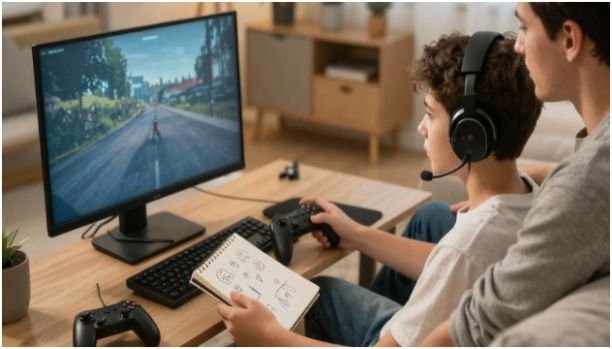
This section gives you the practical meanings first. These are the terms I would learn before worrying about niche gamer language.
Everyday Status Acronyms
AFK means “away from keyboard.” Your child stepped away from the game for a short time. Console players still use it, even without a keyboard.
GG means “good game.” It is usually polite sportsmanship after a match. Sometimes kids use it sarcastically after a terrible loss.
GLHF means “good luck, have fun.” Players say it before a match starts. It usually signals friendly competition.
VC means “voice chat.” This means your child is talking through a headset, controller, laptop, or phone. VC matters because voice chat can expose kids to strangers, offensive language, or pressure from other players. The FTC notes that many games offer chat restrictions, including options to turn off chat or limit who can contact a child.
Player Type Slang
NPC means “non-playable character.” In games, it refers to computer-controlled characters. Outside the game, kids may use NPC as an insult for someone who acts boring, predictable, or unable to think for themselves.
Noob or newbie means beginner. It can be harmless when used gently. It can also become insulting when players mock someone for being bad at a game.
Bot means robot. When kids call a real person a bot, they mean that player is playing poorly or acting predictable.
Sweaty or sweat means someone is trying too hard to win. A “sweat” treats casual games like a championship match.
Smurf means a skilled player using a new, low-level account. Smurfing is frustrating because beginners may get crushed by players who are much better than they appear.
In-Game Action Terms
Grinding means doing repetitive tasks to level up, unlock rewards, or earn in-game items. It can be normal, but long grinding sessions can also affect sleep or school routines.
Camper means a player hides in one spot and waits to ambush others. Kids often complain about campers because the tactic feels cheap.
Nerfed means game developers made a weapon, character, or item weaker. Kids may say, “My favorite weapon got nerfed.”
Buffed means the opposite. A character, skill, or item became stronger after an update.
Rage quit means someone got angry and left a match suddenly. A one-time rage quit is normal frustration. Repeated rage quitting may show your child needs help managing game stress.
Gaming Words That Can Signal Online Behavior Problems
Not every gaming term should worry you. But some words can point to rude behavior, bullying, or unhealthy competition.
Toxic, Griefing, and Trolling
Toxic means rude, aggressive, or abusive behavior in chat. Toxic players may insult teammates, mock beginners, use slurs, or pressure others.
Griefing means ruining the game for others on purpose. A griefer may block teammates, destroy shared resources, or sabotage the match.
Trolling means provoking others for a reaction. In gaming spaces, trolling can move from annoying jokes to harassment.
Pew Research found that 80% of U.S. teens think harassment over video games is a problem for people their age. Among teens who play video games, 41% said they had been called an offensive name while playing.
That is the part parents should not ignore. If your child often says a game is toxic, ask what happened. Do not start with punishment. Start with, “Was someone being rude, or did it feel unsafe?”
Rage Quit, Sweaty, and Feeding
Rage quit shows emotional overload. Kids may laugh about it, but frequent anger after gaming deserves attention.
Sweaty can be harmless trash talk. It can also show that your child feels pressured in competitive spaces.
Feeding means intentionally dying to the enemy team again and again. This makes the enemy stronger and hurts the player’s own team. Sometimes players do it to annoy teammates.
My simple rule is this: terms about skill are usually normal. Terms about harassment, sabotage, or repeated anger need a parent check-in.
How I Decode Gaming Talk Without Embarrassing My Child

The biggest mistake I see parents make is turning slang into an interrogation. Kids shut down fast when they feel judged.
A better approach is casual curiosity. If your child says, “That lobby was toxic,” you can say, “Was it trash talk, or was someone actually being nasty?” That question shows you understand enough to care.
Here is a worked example.
Your child says: “I was grinding, then some smurf kept camping, and I rage quit.”
A parent-friendly translation: “I was doing repetitive tasks to progress, then an experienced player using a low-level account kept hiding and ambushing me, so I got angry and left.”
That one sentence tells you three things. Your child spent time trying to earn progress. The match felt unfair. The frustration got strong enough that they quit.
That is more useful than simply asking, “Why are you always gaming?”
You can also connect gaming slang with school and chat language. If your child uses slang across gaming, texts, and classroom conversations, compare it with your school slang meanings article for a broader parent-friendly vocabulary path.
Parent Safety Tips for Voice Chat, Strangers, and Spending
Gaming slang is only one piece of the picture. Parents should also understand platform settings.
Voice chat deserves special attention. Common Sense Media warns that Fortnite’s online chat can expose younger players to offensive language or mature content from random strangers.
Check three things before your child plays online:
First, check who can contact them. Use platform privacy settings to limit messages, friend requests, and voice chat.
Second, check in-game purchases. ESRB’s “In-Game Purchases” and “Users Interact” labels can help parents spot games with spending features and online interaction.
Third, check how your child feels after playing. A game that always ends in yelling, insults, or stress may need tighter limits.
The FTC also advises parents to use chat restrictions and location-sharing restrictions where available. Some mobile games may use location features, so turning those off can reduce risk.
FAQs About Gaming Slang for Parents
1. What does AFK mean in gaming?
AFK means “away from keyboard.” It means the player stepped away from the game. Console and mobile gamers use it too.
2. What does GG mean when kids play games?
GG means “good game.” It is usually a friendly phrase after a match, though some players use it sarcastically.
3. What gaming slang should parents worry about?
Parents should pay attention to toxic, griefing, trolling, feeding, and rage quit. These terms may point to harassment, sabotage, or emotional stress.
Final Boss Tip: Stay Curious, Not Clueless
I do not think parents need to memorize every gaming word. New slang appears too fast for that. But learning the core terms gives you a real advantage.
You can hear the difference between normal game talk and possible trouble. You can ask better questions. You can spot when a child is frustrated, pressured, or exposed to toxic behavior.
Start with AFK, GG, VC, noob, bot, smurf, grinding, nerfed, buffed, toxic, griefing, and rage quit. Then listen for tone. The word matters, but the mood behind it matters more.