

Buying your first car is an incredibly exciting milestone. Whether it is a brand-new ride or a reliable pre-owned vehicle, having your own set of keys brings an unmatched sense of freedom. However, that freedom also comes with a lot of new responsibilities that can quickly become overwhelming.
Many first-time vehicle owners view their car as an appliance that simply needs gas to run. This mindset often leads to overlooked maintenance and expensive repairs. By recognizing the most common pitfalls ahead of time, you can protect your investment, stay safe on the road, and keep your hard-earned money in your bank account. Here are five mistakes first-time owners often make and how you can avoid them.
1. Skipping Routine Maintenance Schedule

When a car runs smoothly, it is easy to assume everything under the hood is perfectly fine. This false sense of security causes many new owners to put off skipped routine maintenance like oil changes, tire rotations, and fluid flushes until it is too late.
Your car relies on clean engine oil and fresh fluids to prevent friction and heat buildup. Waiting until your engine starts making strange noises to change the oil guarantees internal damage. Always look up your vehicle’s factory-recommended maintenance schedule in the owner’s manual and stick to it strictly, regardless of how well the car seems to be performing.
2. Ignoring Dashboard Warning Lights
It is tempting to look at a glowing check engine light, notice that the car still drives fine, and decide to deal with it later. First-time owners frequently ignore these dashboard alerts, hoping the problem will somehow resolve itself.
Dashboard warning lights are your vehicle’s early warning system. They trigger long before a component completely fails. A glowing light could indicate something as simple as a loose gas cap, or something as severe as a failing catalytic converter or overheating transmission. Addressing the issue immediately prevents a minor sensor replacement from turning into a massive mechanical overhaul.
3. Neglecting Transmission Health
Many new drivers know they need to change their engine oil, but completely forget that their transmission requires specialized care as well. The transmission is a complex system of gears that experiences incredible amounts of heat and friction every single day.
Rough shifting, delayed acceleration, or strange burning smells are classic signs that your transmission fluid is old or leaking. If you live in Utah and notice your gears slipping, visiting a trusted transmission shop in Salt Lake City right away can save you thousands of dollars in replacement costs. Keeping up with transmission flushes ensures your vehicle shifts smoothly for years to come.
4. Forgetting About Tire Care
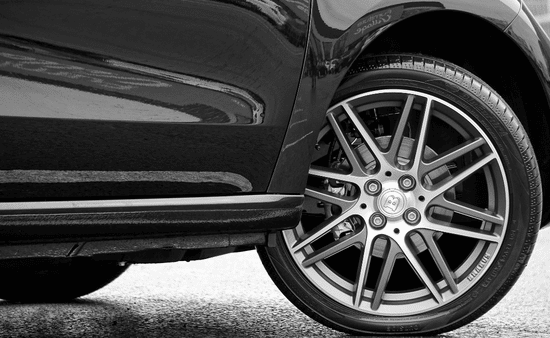
Tires are the only part of your vehicle that actually touches the road, yet they are routinely neglected by first-time owners. Driving on underinflated tires or bald tread reduces your fuel efficiency, hurts your handling, and severely increases your risk of a sudden blowout.
Get into the habit of checking your tire pressure at least once a month using a simple pocket gauge. Temperature drops can cause tire pressure to fluctuate, so regular checks help maintain proper handling and safety. Additionally, look for uneven wear patterns on the rubber. Rotating your tires every six months extends their lifespan and keeps your rides balanced and safe.
If you’re shopping for a bike, knowing how to test ride and buy a motorcycle safely is just as important. Before purchasing, inspect the tires, brakes, lights, and controls, then take a careful test ride to evaluate the motorcycle’s handling, braking performance, and overall comfort. This helps you identify potential issues before making a final decision while ensuring a safer riding experience.
5. Cleaning Only the Outside of the Car
It is natural to want your first car to look pristine, so new owners spend plenty of time at the car wash spraying down the paint. However, they often forget about the interior and, more importantly, the undercarriage where the real damage happens.
Leaving trash, food crumbs, and damp clothes inside the cabin creates bad odors and attracts pests that can chew through electrical wiring. Furthermore, failing to wash the underside of your car lets road salt, mud, and grime build up over time. This trapped moisture quickly leads to rust and corrosion on vital suspension components and brake lines.
Conclusion
Owning a car is a learning experience, and making a few missteps along the way is completely normal. The key is shifting your mindset from reactive fixing to proactive protection. By respecting your maintenance schedule, addressing warning signs immediately, and treating your transmission and tires with care, you can easily avoid these common blunders. Taking care of your vehicle today ensures it stays dependable, safe, and valuable for all the journeys ahead of you.