
In the fast-paced and ever-evolving world of retail, achieving long-term profitability requires more than just high-quality products and open doors. It demands a sophisticated orchestration of strategic planning, efficient systems, and a mindset that puts the customer first. Whether you are launching a new boutique or refining an established business, building a foundation for success involves mastering several core pillars of retail management.
Understanding Your Audience and Brand

The foundation of any successful retail strategy is a deep understanding of your target market. Conducting market research to identify demographics, behaviors, and preferences enables you to tailor your offerings and marketing messages. This understanding should be reflected in a clear brand identity—including your logo, messaging, and overall atmosphere—which builds trust and consistency. When customers emotionally connect with your brand values, they are more likely to become loyal advocates.
Optimizing the Store Environment

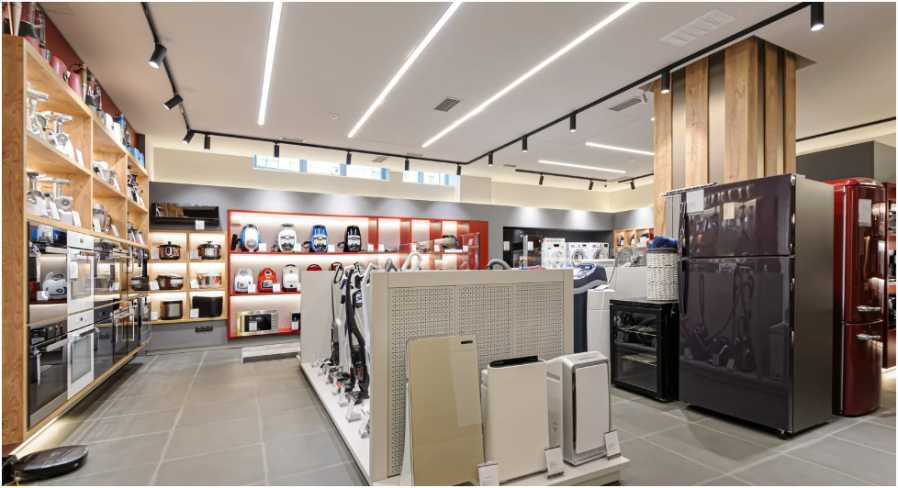
Your physical space is a powerful driver of success, acting as a “silent salesperson”. A well-planned layout influences how customers move and what they buy.
- Strategic Layout: Most shoppers naturally turn right upon entering. Use this area, known as the decompression zone, to feature high-visibility items.
- Customer Flow: Use “zones” to categorize products, making them easy to locate while highlighting related merchandise for cross-selling opportunities.
- Visual Merchandising: Regularly rotate featured products to maintain a sense of freshness. Use cohesive colors and creative lighting to guide attention toward high-margin items.
- Maintenance and Ambiance: A spotless store sends a message of professionalism. Regular upkeep, such as professional window cleaning or repairing storefront glass, keeps the entrance inviting.
Leveraging Technology and Operations
Modern retail operations thrive on efficiency. Integrating the right technology can streamline daily tasks , prevent common workplace disputes and provide valuable insights into business performance.
Investing in a robust point-of-sale (POS) system allows you to track real-time sales data, monitor inventory levels, and manage customer information.
This data is crucial for preventing stockouts or overstocking, which can tie up valuable capital. For inventory management, implementing methods like “First In, First Out” (FIFO) helps maintain stock freshness.
Enhancing the Customer and Staff Experience

Exceptional customer service is a primary differentiator in an era of abundant online options. Creating a memorable experience involves more than just transactions; it involves personalized interactions and a welcoming atmosphere.
- Staff Training: Your employees are the face of your store. Invest in training that covers product knowledge, sales techniques, and conflict resolution.
- Loyalty Programs: Implement rewards systems for repeat purchases, such as points or exclusive discounts, to foster long-term relationships.
- Seamless Checkout: Minimize wait times by ensuring checkout counters are adequately staffed and offering multiple secure payment options.
Financial Planning and Safety
One of the mistakes first-time owners often make is maintaining financial stability is vital for sustainability. Retailers should set realistic budgets, track profit margins, and establish emergency funds for unexpected expenses. When managing daily cash flow or purchasing initial inventory for a new season, using a business credit card in Utah can be an effective way to track business-related expenses while building the company’s credit profile.
Furthermore, safety should be at the core of operations. Develop a comprehensive security plan that outlines protocols for theft and emergencies, and consider technologies like smart locks or surveillance systems to protect assets and people.
Conclusion
Maximizing profits in retail is a multifaceted and ongoing process of improvement. By optimizing your layout, managing inventory strategically, and focusing on a superior customer experience, you can create a resilient foundation for growth. Stay adaptable, monitor your performance data, and continuously refine your strategies to ensure your store continues to thrive in a competitive landscape.