

The transition to kindergarten represents a monumental milestone in a young child’s life. For many children, it is their first introduction to a structured academic environment, a larger peer group, and a longer school day away from their primary caregivers.
While academic readiness—such as recognizing letters and numbers—is important, emotional readiness is often the truest predictor of a smooth transition.
Confidence is the foundation upon which all kindergarten success is built. A confident child is more resilient when facing challenges, more willing to try new things, and better equipped to navigate social complexities.
Building this self-assurance does not happen overnight, but rather through intentional, daily experiences that empower a child to see themselves as capable individuals. Here is how families can systematically build a child’s confidence before the first day of kindergarten.
Fostering Independence Through Self-Help Skills
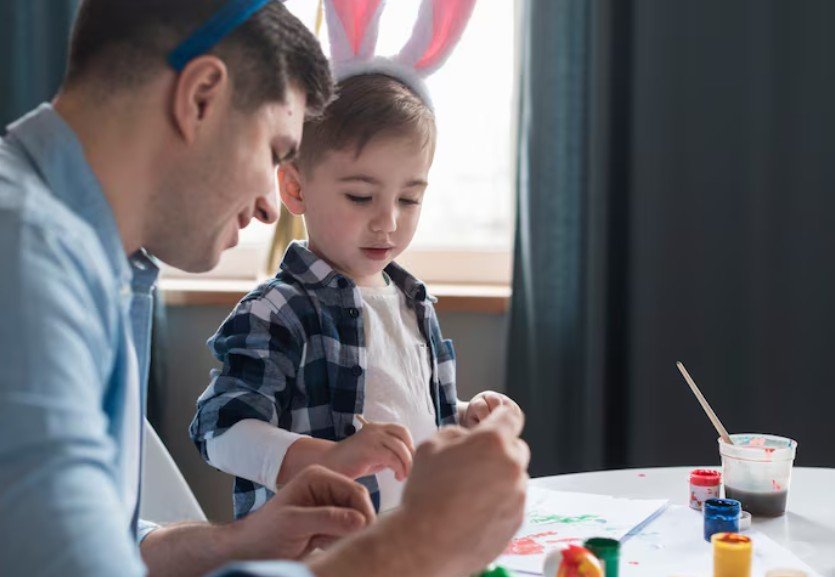
True confidence stems from a sense of competence. When a child can successfully manage their own physical needs, they feel a profound sense of control over their environment.
Long before the school year begins, caregivers should step back and allow children to practice essential self-help skills independently, even if it takes longer.
Practice tasks like buttoning pants, zipping jackets, opening lunchboxes, and putting on shoes. In a busy kindergarten classroom, a teacher must divide their attention among twenty or more students.
A child who can open their own applesauce pouch or put on their own coat feels self-reliant and proud, avoiding the anxiety of having to constantly wait for adult assistance.
Embracing a Growth Mindset and Overcoming Mistakes
Children who are terrified of making mistakes often struggle in a new school environment. They may refuse to participate in activities or withdraw when a task becomes difficult. Parents can counter this by intentionally cultivating a growth mindset at home.
Shift the focus of praise from innate traits to effort. Instead of saying, “You are so smart,” try saying, “I love how hard you worked on that puzzle, even when it was tricky.” Normalize mistakes by discussing your own blunders openly.
When a child learns that a mistake is simply a data point on the road to mastery rather than a personal failure, they develop the emotional resilience required to tackle unfamiliar kindergarten concepts with confidence.
Socialization and Structural Familiarity
Navigating a room full of peers is one of the most overwhelming aspects of starting school. Children need opportunities to practice sharing, taking turns, resolving conflicts, and reading social cues in a group setting.
Stepping into a structured learning environment prior to kindergarten offers a major advantage for building social comfort.
Children who attend a high-quality preschool in Plano TX naturally learn how to navigate peer dynamics under the gentle guidance of trained educators.
Parents can also support early social awareness by understanding common online phrases children may hear from older siblings or group chats, such as discord slang meanings.
This early exposure to circle time, shared classroom materials, and collaborative play routines helps normalize the expectations of a school day.
When children are already familiar with the flow of a group schedule, they enter kindergarten with a sense of security, knowing exactly how to behave and interact with classmates.
Normalizing Classroom Routines Through Play
Pre-kindergarten children process big life changes and anxieties through play. Parents can use pretend play to deconstruct the mystery of the upcoming school year, making the unfamiliar feel safe and predictable.
Set up a mock classroom at home. Take turns playing the role of the teacher and the student. Practice raising hands to speak, lining up at the door, sitting quietly for a story, and packing up a backpack.
Simple communication practice can also make classroom role-play easier, especially when children use daily conversation habits to learn English fast.
By rehearsing these common classroom protocols in a fun, low-stakes environment, the actual routines of kindergarten will feel like a natural extension of games they have already mastered, drastically reducing first-day jitters.
Encouraging Decision-Making and Autonomy

Confidence flourishes when children feel their choices have real meaning. Giving a child controlled autonomy over certain aspects of their day helps them practice decision-making, which is a critical skill for school readiness.
Offer limited, binary choices throughout the week. Allow them to choose between two outfits, select which fruit goes into their snack pack, or decide whether to read a book or draw a picture before bedtime.
These small moments of autonomy reinforce the idea that their preferences matter and that they are capable of making good decisions. This internal certainty carries directly over into the classroom, enabling them to choose activities and navigate tasks with clarity and independence.
Conclusion
Preparing a child for kindergarten involves much more than buying a new backpack and practicing sight words. It requires nurturing their emotional core so they can face a brand-new environment with their head held high.
By prioritizing independent self-care skills, praising creative effort over perfection, encouraging collaborative social experiences, and offering opportunities for daily autonomy, parents can instill an unshakeable sense of self-belief in their young learners.
Ultimately, when a child enters the classroom knowing they are capable, resilient, and supported, they don’t just survive the transition to kindergarten—they thrive.