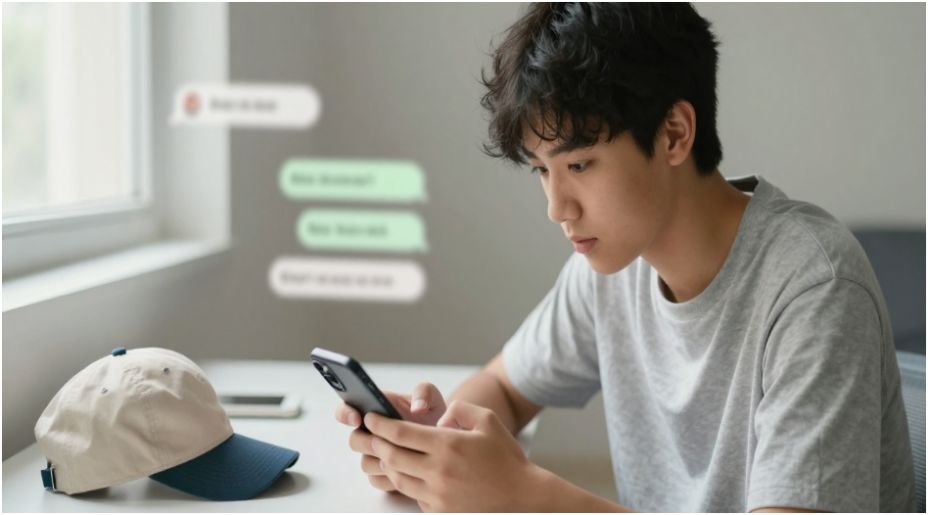

I used to think I understood online language until one comment section made me pause three times in ten seconds. Someone said a creator “ate,” another said “no cap,” and a third dropped “IYKYK” like it explained everything.
That is why understanding Social Media Slang Meanings matters. These phrases shape TikTok captions, Instagram comments, memes, group chats, and even brand posts.
Pew Research Center found that majorities of U.S. teens use TikTok, Instagram, and Snapchat, while YouTube remains the most widely used platform among teens. That explains why slang spreads fast across video, comments, and private messages.
Why Social Media Slang Changes So Fast
Social media slang changes because platforms reward speed, humor, and identity. A phrase can start as a joke on TikTok, move to Instagram Reels, appear in YouTube Shorts, and then land in everyday texting.
Sprout Social notes that acronyms and slang help people communicate with clarity, brevity, and audience relevance. For creators and brands, the bigger challenge is knowing when slang feels natural and when it feels forced.
I see slang working best when it does three things. It shortens a thought, adds emotion, or signals that the person understands a shared online joke. That is why “mid” feels sharper than “average,” and “it’s giving” feels more playful than “this reminds me of.”
Social Media Slang Meanings: TikTok, Instagram, and Online Phrases
The easiest way to understand Social Media Slang Meanings: TikTok, Instagram, and Online Phrases is to group them by how people use them. Some words describe a trend. Others praise someone. Some show shock, sarcasm, or inside knowledge.
Visual and Trend Slang
POV
POV means “point of view.” On TikTok and Instagram, it usually introduces a scene from someone’s perspective. A video might say, “POV: You finally understand the assignment.” It sets up a relatable moment.
Delulu
Delulu means “delusional.” On TikTok and Instagram, people use it when someone has unrealistic hopes, usually about dating, success, or a dream situation. A post might say, “I’m delulu enough to think my crush posted that song for me.” It usually sounds playful, not serious.
Brainrot
Brainrot means silly, chaotic, or low-quality internet content that feels addictive. People use it for memes, videos, or trends that make no sense but are still funny. A caption might say, “This app is giving me brainrot.” It describes content that is weird, random, and hard to stop watching.
It’s Giving
It’s giving means something has a certain vibe, mood, or energy. On Instagram, someone might comment, “It’s giving main character energy” under a stylish photo. It helps describe how a look, video, outfit, or situation feels.
Let Them Cook
Let them cook means let someone finish what they are doing before judging them. People use it when a creator, player, or friend is building up to something good. A comment might say, “Wait, let him cook.” It means the idea may turn out better than expected.
Main Character Energy
 Main character energy means someone acts confident, stylish, or like they are the focus of the moment. A video might show someone walking through a city with music and the caption, “Main character energy.” It is usually a compliment about confidence and presence.
Rizz
Rizz means charm, confidence, or flirting skill. People use it when someone knows how to attract attention or talk smoothly. A comment might say, “He has serious rizz.” It usually describes someone who is naturally charming.
Drip
Drip means a stylish outfit, cool accessories, or strong fashion sense. If someone posts a great outfit, a comment might say, “The drip is clean.” It is a compliment about someone’s style.
Slay
Slay means to do something very well or look amazing while doing it. People use it for fashion, makeup, performances, or confident moments. A comment might say, “You slayed this look.” It means the person did a great job.
Bussin’
Bussin’ means something is really good, especially food. Someone might say, “This pizza is bussin’” after tasting it. It can also describe music, outfits, or anything that feels impressive.
Ate
Ate means someone did something perfectly. On social media, people say it when a person looks great, performs well, or makes a strong point. A comment might say, “She ate and left no crumbs.” It means the person completely nailed it.
Acronyms and Short Forms

IYKYK means “if you know, you know.” People use it for inside jokes, niche references, fandom humor, or shared experiences.
No cap means someone is telling the truth. Cap means lying or exaggerating. Merriam-Webster defines “no cap” as meaning genuinely or truthfully, while “cap” can refer to lying or fronting.
I would naturally link a deeper explainer using the anchor text What Does No Cap Mean in Slang right after introducing “cap” and “no cap,” because that is where readers are most likely to want more context.
OOMF means “one of my followers” or “one of my friends.” People use it when they want to mention someone without naming them.
PFP means profile picture. You might see, “New PFP,” when someone changes their account photo.
SMH means “shaking my head.” It shows disappointment, disbelief, or mild frustration.
TBH means “to be honest.” It usually introduces a direct opinion, confession, or casual truth.
Reactions and Emotion Slang
Dead or ded means something is extremely funny. The skull emoji often means the same thing. It has mostly replaced the old laughing emoji in many comment sections.
Shook means shocked, surprised, or emotionally caught off guard. It can be serious or playful.
Mid means average, unimpressive, or overhyped. People often use it for songs, movies, outfits, food, or trends they think do not deserve praise.
Ick means a sudden turn-off. It usually describes one small behavior that makes someone lose interest.
How I Read Slang Without Sounding Out of Touch
My simple method is context first, definition second. I do not look at one word alone. I check the caption, comments, tone, emoji, and platform.
For example, “ate” in a cooking video may literally mean eating. In a fashion Reel, it likely means someone looked amazing. In a debate clip, it may mean someone made a strong point.
That small habit prevents awkward mistakes. Slang often depends on tone more than grammar.
Dash Social also explains that social media acronyms help users speak in the language of each platform, but brands and creators should define less obvious terms and make sure those terms fit the audience.
FAQs About Social Media Slang Meanings
1. What are the most common Social Media Slang Meanings to know?
The most useful ones include POV, rizz, no cap, cap, IYKYK, SMH, TBH, drip, slay, mid, ick, and it’s giving. These appear often across TikTok, Instagram, YouTube Shorts, comments, and group chats.
2. What does “it’s giving” mean on TikTok and Instagram?
“It’s giving” means something has a certain vibe or energy. For example, “It’s giving vacation mode” means the outfit, photo, or mood feels relaxed and travel-ready.
3. What does “ate” mean in social media slang?
“Ate” means someone did something extremely well. It often praises fashion, makeup, dancing, singing, jokes, or confident behavior.
Say It Right or Don’t Say It at All
Social slang is not just random internet noise. It shows how people joke, praise, flirt, react, and build identity online.
My best tip is simple: learn the meaning before using the phrase. Read the room, check the tone, and avoid forcing slang where plain language works better. When you understand Social Media Slang Meanings, TikTok comments and Instagram captions start feeling less confusing and a lot more readable.