Maintaining a beautiful landscape requires consistent effort, and trimming branches is often at the top of the weekend to-do list. When done correctly, cutting back limbs encourages robust growth, improves structural integrity, and enhances the overall aesthetic of your property. However, many well-intentioned homeowners pick up the shears without realizing that improper techniques can permanently damage or even destroy their plants.
Trees are complex organisms that require precise care. Making the wrong incisions can leave them vulnerable to diseases, structural failure, and starvation. To keep your backyard canopy vibrant and safe, it is vital to avoid these five devastating trimming blunders.
1. Topping the Canopy
Perhaps the most destructive practice in residential plant care is topping. This occurs when a homeowner cuts off the upper vertical stems and primary branches to reduce the overall height of the plant.
Topping shocks the organism by removing the majority of its leaves, which are its primary source of food production. In a desperate bid to survive, the trunk will rapidly produce weak, vertical shoots called water sprouts. These new branches grow quickly but are structurally unstable and prone to breaking during high winds. Additionally, the large, flat wounds left on the main trunk rarely heal properly, opening the door for wood rot and fungal infestations.
2. Making Flush Cuts
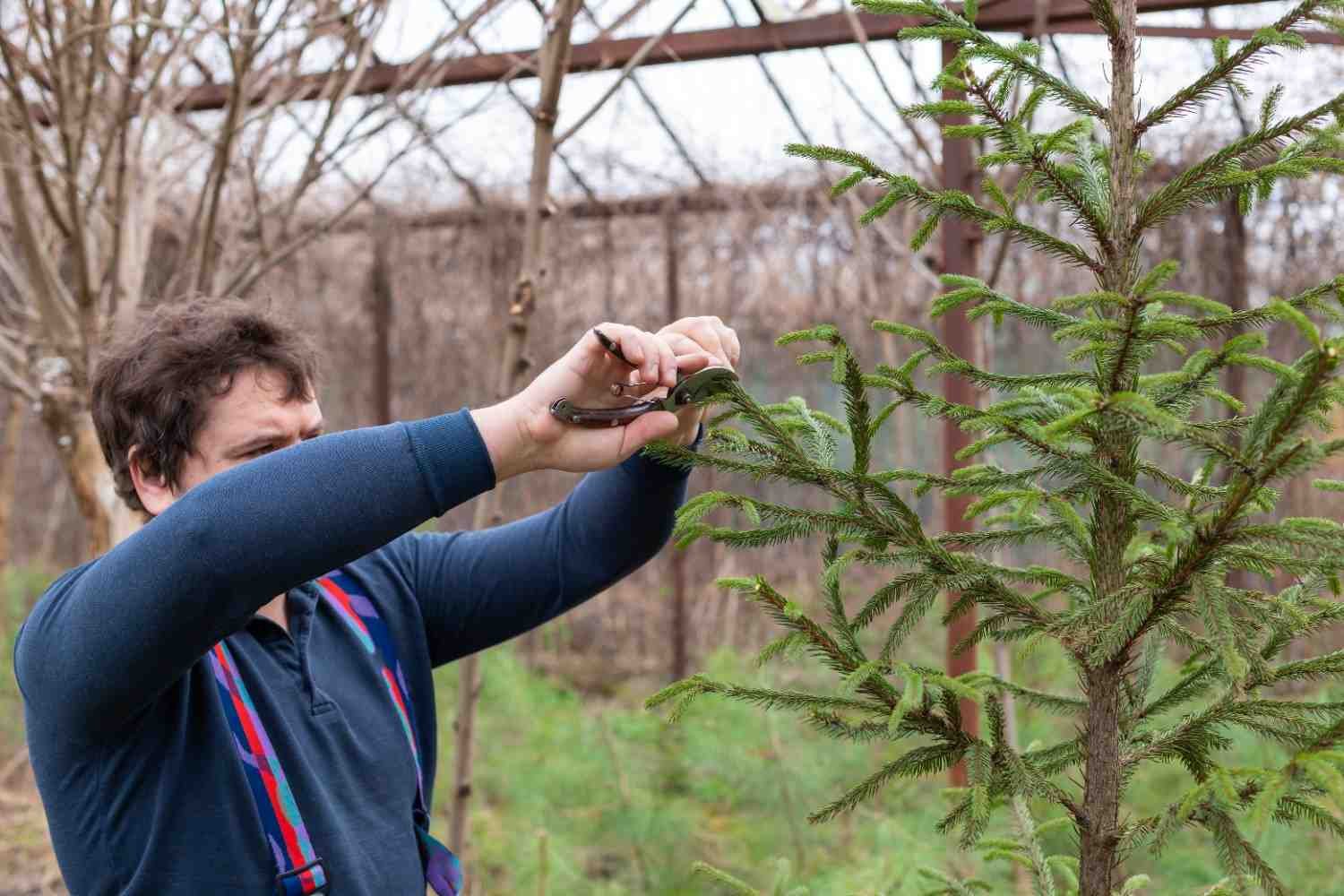
When removing a limb entirely, the positioning of the final incision is paramount. A common misconception is that cutting a branch completely flat against the main trunk creates a clean, neat look. This is known as a flush cut, and it severely compromises the health of the trunk.
Every branch has a swollen area of tissue at its base called the branch collar. This collar contains specialized cells that generate protective callus tissue to close the wound naturally. When you make a flush cut, you remove this essential barrier. The resulting damage prevents the trunk from sealing the opening, allowing decay to penetrate deep into the heartwood of the plant.
3. Leaving Long Stubs
The opposite of a flush cut is leaving too much wood behind, resulting in an unsightly stub. Homeowners often do this out of fear of cutting too close to the main trunk.
When a long stub is left after trimming, the plant cannot grow over the wound because the living tissue is too far away. The remaining stub eventually dies and rots in place. This decay slowly travels down the dead wood and enters the main trunk, creating a cavity that weakens the entire structure of the plant over time. The correct method is to slice just outside the branch collar, leaving a small, angled area that can heal efficiently.
4. Pruning at the Wrong Time of Year
Timing is just as important as technique. While removing dead wood is acceptable at any time, heavy structural trimming should be carefully scheduled.
Trimming during the late spring or summer, when the plant is actively growing and putting energy into foliage, can severely stress the root system. Furthermore, open wounds during the warm months release sap that attracts destructive pests. For example, specific beetles active in warm weather transmit deadly fungal diseases to vulnerable species. Generally, the ideal time for major maintenance is during late winter when the plant is dormant and less susceptible to infection.
5. Over-Pruning the Canopy
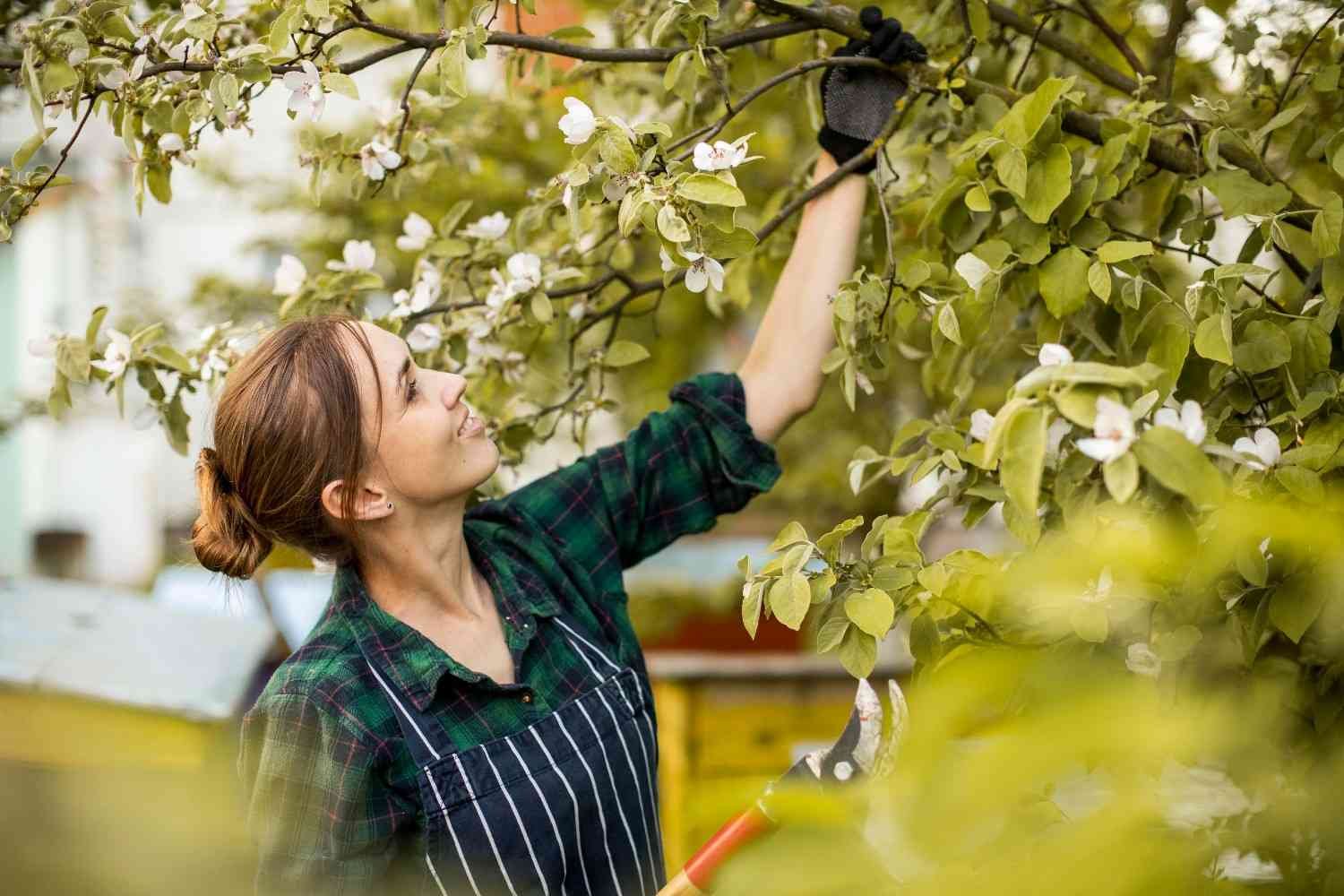
It can be easy to get carried away once you start trimming, but removing too much foliage at once is a recipe for disaster. This mistake is often referred to as lion-tailing, where the inner branches are cleared out, leaving foliage only at the very ends of the limbs.
A healthy specimen needs a balanced canopy to distribute wind load evenly and generate enough energy through photosynthesis. Stripping away more than twenty-five percent of the living canopy at one time starves the roots and leaves the main branches exposed to sunscald. It also shifts the weight to the ends of the limbs, making them far more likely to snap during a heavy storm.
When to Seek Professional Assistance
Avoiding these errors requires patience, proper tools, and a solid understanding of plant biology. If you are dealing with mature canopies, high limbs, or signs of disease, tackling the job yourself can be hazardous to both you and the landscape. Homeowners who want to guarantee the longevity of their investments often turn to experts.
Investing in a qualified tree service in Salt Lake City ensures that regional species receive the proper care suited to the local climate and soil conditions, protecting your yard from irreversible damage.