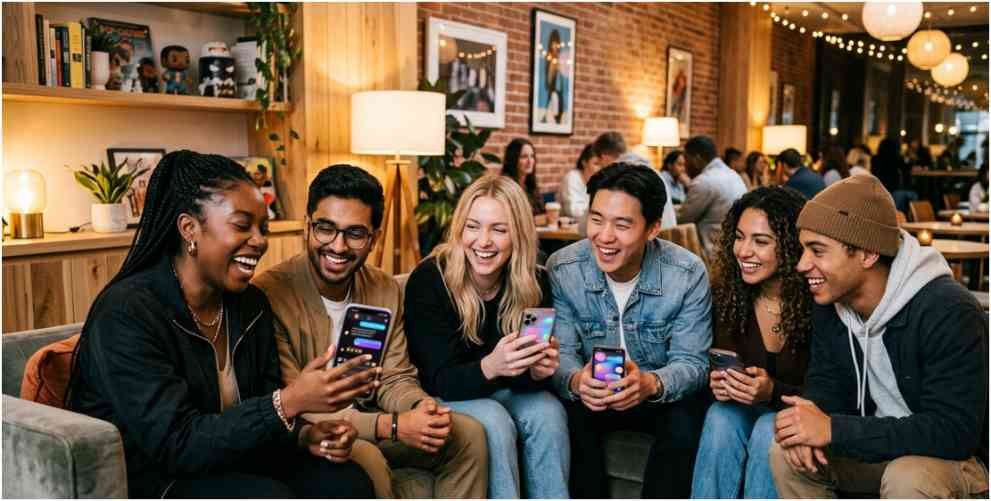
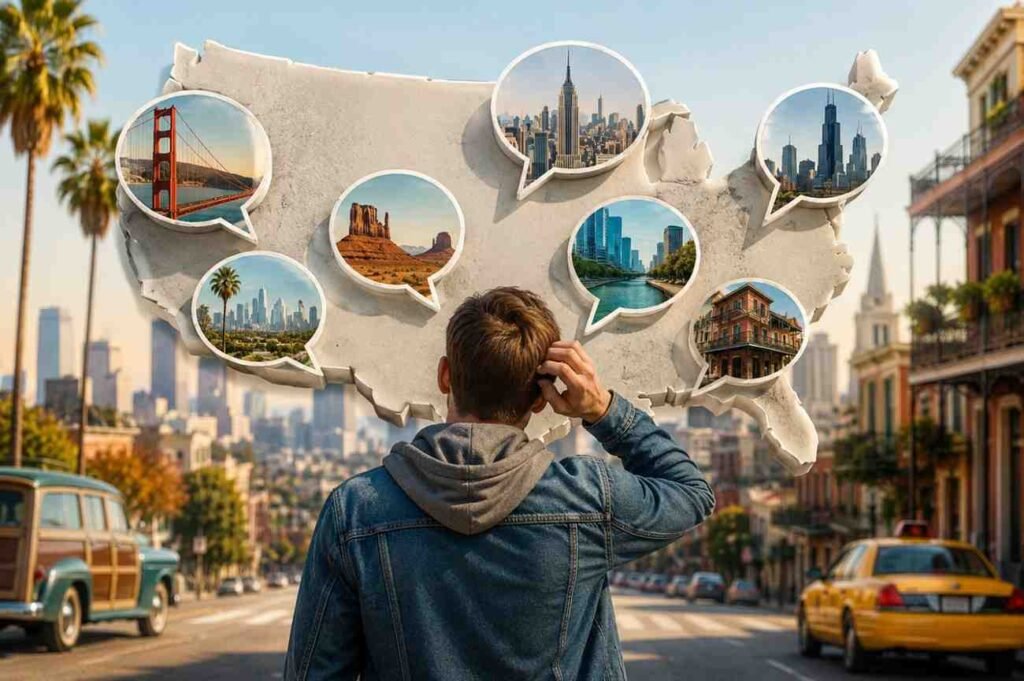
One of the fastest ways to tell where someone is from is not their accent. It’s the random little phrases they use without thinking. Spend enough time traveling, scrolling TikTok, or even gaming online, and you start noticing how certain cities and regions have their own unofficial language. Someone says “ope” after bumping into a chair, another person calls soda “pop,” and suddenly, you can almost guess their hometown before they mention it.
What makes trendy local sayings so interesting is how naturally they spread. Some phrases stay deeply regional for decades, while others escape through social media and slowly become part of internet culture. A lot of younger people now mix local slang, meme language, and texting abbreviations together in a way that completely changes everyday conversation.
Why Local Sayings Spread So Quickly?
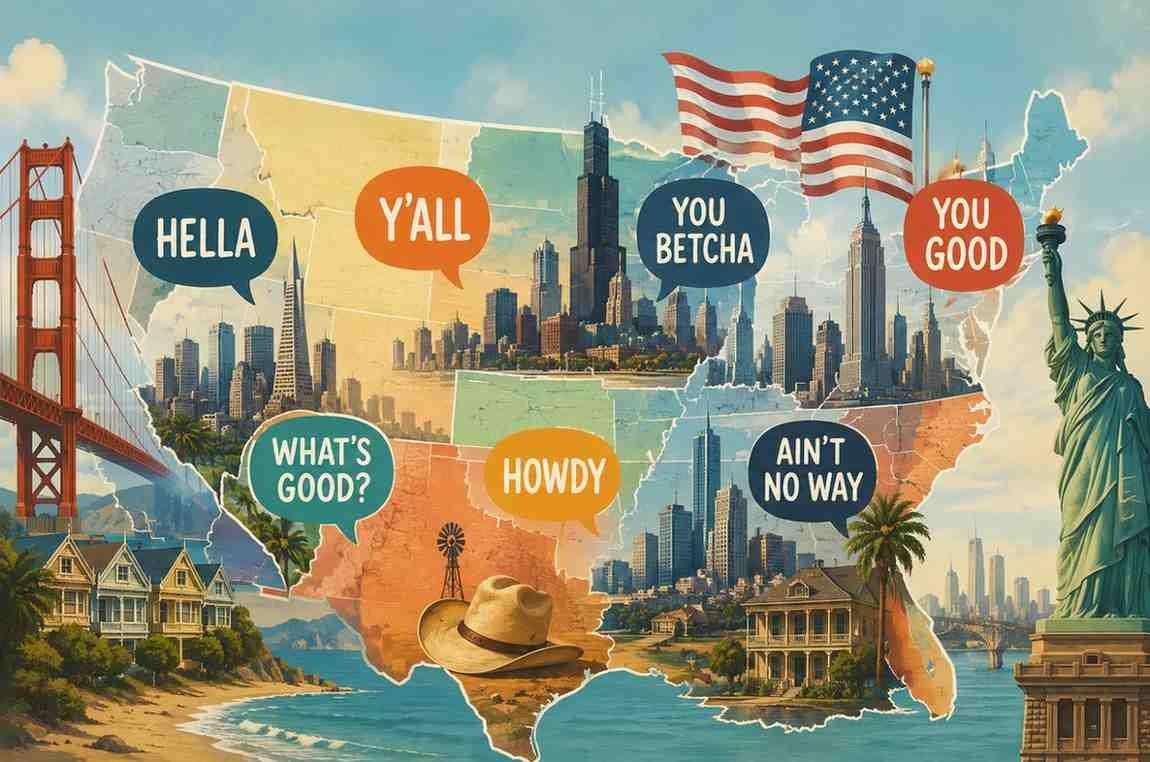
Local sayings usually survive because they feel personal. They create familiarity between people who share the same city, region, or cultural habits.
Certain phrases instantly signal belonging. Someone from Pittsburgh saying “yinz” or a Boston local casually using “wicked” sounds normal to people nearby, but stands out immediately to outsiders. Those small language habits become part of regional identity over time.
Social media accelerated this even more. Platforms like TikTok and Instagram constantly expose regional slang to wider audiences, which is why phrases once limited to specific cities now appear in comment sections everywhere.
Texting culture also changed how slang spreads. A lot of local expressions now blend directly into memes, captions, and casual online conversations alongside slang words for texting that younger audiences already use daily.
Some Cities Have Slang That Instantly Gives Them Away
Certain local sayings have become so recognizable that people immediately associate them with specific cities or regions.
Boston remains famous for “wicked,” which acts as an intensifier for almost anything. Someone might describe pizza, weather, or sports as “wicked good” without even realizing how regional it sounds.
In New York City, people famously wait “on line” instead of “in line.” To locals, it sounds completely normal. To everyone else, it usually sparks confusion for a second.
The American South still dominates conversational slang with “y’all,” which has become one of the most recognizable regional expressions in conversational English. Some Southern speakers even stack it into phrases like “y’all’d’ve,” which feels almost impossible until you hear it naturally in conversation.
Meanwhile, Pittsburgh keeps “yinz” alive as its local version of “you all,” while Minnesota quietly became internet-famous for “ope,” the automatic apology sound people make after bumping into someone or almost dropping their coffee.
Some Regional Sayings Sound Completely Normal Until You Travel
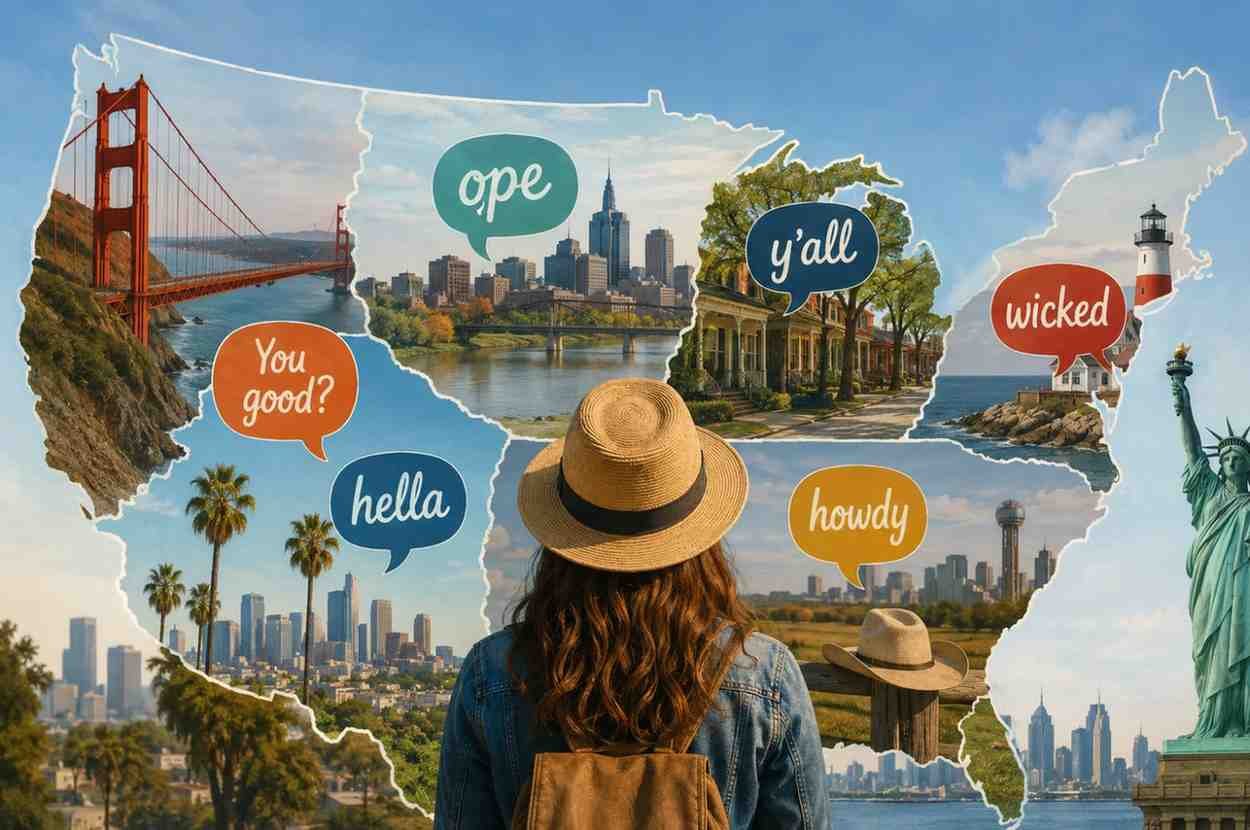
One of the funniest things about regional slang is that locals rarely realize their phrases are unusual until they leave home.
In Wisconsin, asking for a “bubbler” instead of a water fountain feels perfectly ordinary to residents. The same thing happens in parts of the Midwest where “pop” replaces “soda” so naturally that people barely notice it.
California created some of the most recognizable casual slang in modern culture. “Dude” became universal long ago, but “hella” still carries strong West Coast energy. Even people who have never visited California now casually use it online because internet culture absorbed the phrase so heavily.
Hawaii also has some of the most memorable local expressions. Calling food “ono” instantly communicates that something tastes genuinely incredible without needing a long explanation.
That emotional simplicity is usually why slang survives. The best sayings communicate personality quickly.
Internet Culture Keeps Reviving Older Local Phrases
A lot of trendy local sayings are not actually new. The internet simply keeps rediscovering them.
TikTok, meme culture, and short-form video content constantly recycle regional phrases into mainstream conversation. Words that once sounded old-fashioned or deeply local suddenly feel trendy again once younger users start using them ironically or humorously online.
This happened with:
- “Ope”
- “Y’all”
- “Dude”
- “Innit”
- “Wee”
Once a phrase becomes meme-friendly, it spreads far beyond its original location.
The same thing happened internationally. In London, “innit” moved from regional speech into internet culture because it works naturally in casual online conversation. Liverpool’s use of “boss” to describe something excellent has also become more recognizable outside the city because of social media clips and streaming culture.
Australia’s “Maccas” for McDonald’s and Canada’s “Timmies” for Tim Hortons followed similar paths online. People enjoy slang that feels conversational, fast, and slightly insider-coded.
Local Slang Creates a Sense of Belonging
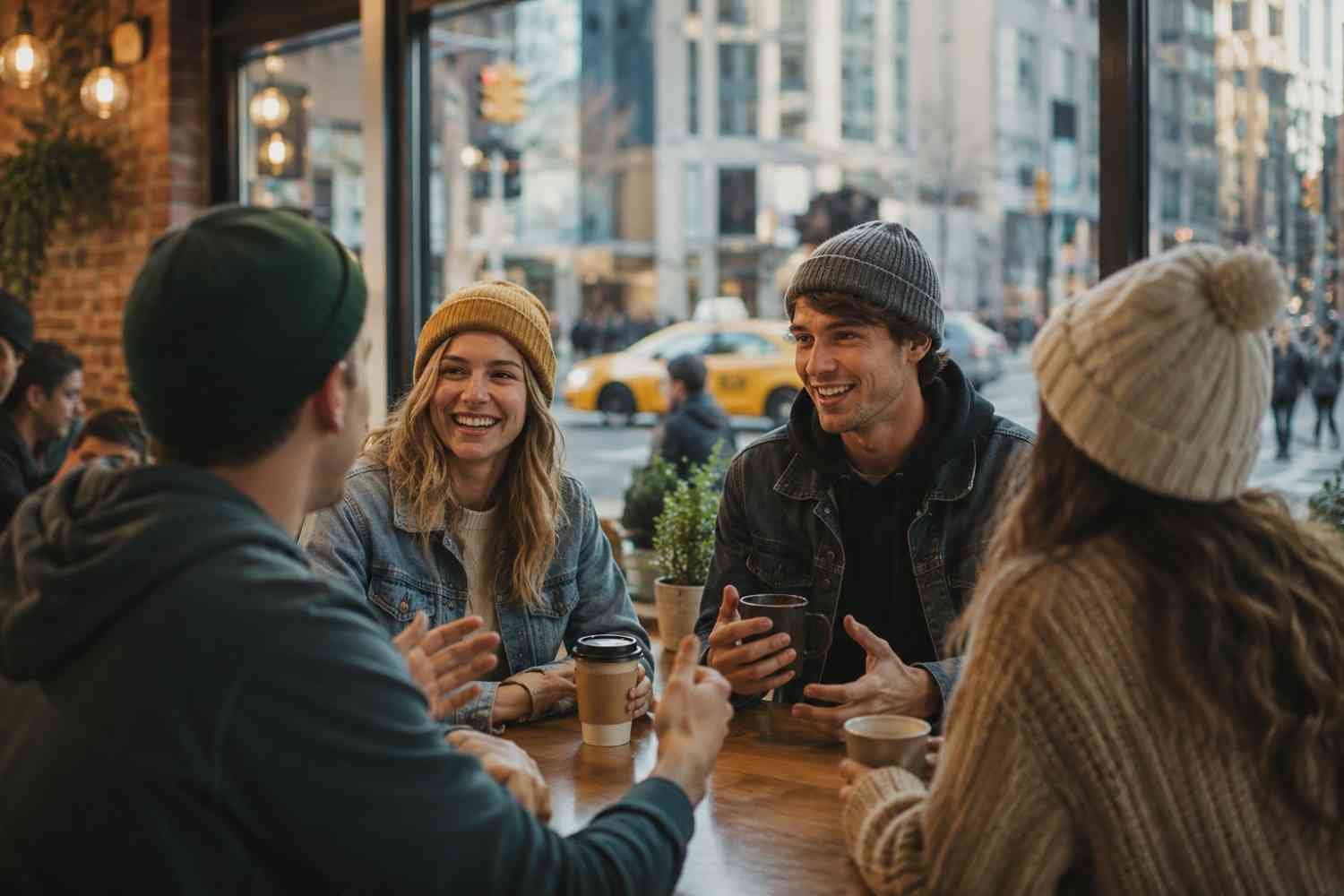
A big reason local sayings remain powerful is that they make conversations feel more personal and less formal.
Regional language creates immediate familiarity. Even simple phrases can signal shared experiences, hometown pride, or cultural connection. That emotional layer matters more than people realize.
It’s also why slang changes faster among younger generations. Digital communication moves quickly, and people constantly remix phrases to match new trends, humor styles, and online communities.
Modern slang now exists in multiple layers:
- regional sayings
- texting abbreviations
- meme phrases
- TikTok slang
- gaming language
- internet shorthand
All of them blend together into modern casual speech.
That mix explains why conversations today feel very different compared to even ten years ago.
Some Sayings Stay Local While Others Go Global
Not every local phrase escapes its region. Some sayings remain deeply tied to specific cities because they rely heavily on local culture, accents, or shared experiences.
Others spread globally because they are flexible and easy to understand. Words like “dude,” “hella,” or “y’all” work in many situations, which helps them travel faster through social media and entertainment.
Streaming platforms, podcasts, YouTube creators, and viral clips also push local slang into mainstream culture much faster than before. Someone can now adopt phrases from another city without ever visiting it.
That constant crossover is changing how people speak online and offline at the same time.
FAQs: The Most Trendy Local Sayings You’ll Hear Across Different Cities
1. Why do different cities have unique sayings?
Cities develop unique sayings through local culture, migration patterns, accents, and shared community habits that evolve over time.
2. What is the difference between slang and local sayings?
Slang usually refers to informal language trends, while local sayings are more tied to specific regions, cities, or cultural groups.
3. How does social media affect regional slang?
Social media spreads local phrases much faster by exposing millions of people to regional conversations, memes, videos, and online creators.
4. Why do younger generations use more slang online?
Younger audiences often use slang to create identity, humor, relatability, and faster communication across digital platforms.
The Best Local Sayings Usually Feel Effortless
The most memorable local sayings rarely sound forced. They survive because people use them naturally in everyday conversations without stopping to think about them. That authenticity is what gives regional slang its personality.
As internet culture keeps blending cities, trends, and generations together, local sayings will probably keep evolving even faster. But no matter how digital communication changes, people will always find new ways to make language feel personal, familiar, and connected to where they come from.