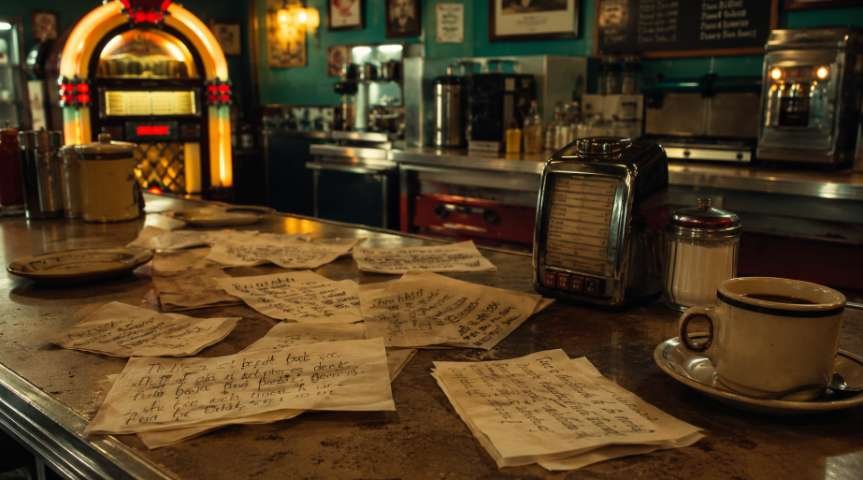
Every family road trip, neighborhood hangout, or late-night diner conversation usually includes at least one phrase nobody stops to question. That is what makes slang origin stories so entertaining. Ordinary expressions often carry strange histories tied to music scenes, regional culture, old crimes, internet trends, and even naval punishments from centuries ago.
Slang is a linguistic rebellion. It helps people build community, shut outsiders out, and adapt language to fit modern culture. Interestingly, the word “slang” first appeared in 18th-century London as a term for the secret coded language used by thieves and beggars trying to avoid authorities. Today, slang continues evolving faster than ever through social media, memes, sports culture, and regional American expressions.
Key Takeaways
- Slang reflects culture, identity, music, and regional history
- Many popular expressions began in marginalized communities
- Regional US slang still shapes modern internet language
- Slang origin stories reveal surprising historical connections
- Internet culture now spreads slang faster than any generation before
Why Slang Origin Stories Fascinate People?
The history behind slang often says more about society than dictionaries ever could.
Language changes because people constantly reshape communication around trends, emotions, and identity. Slang survives because it feels personal. A phrase can instantly signal where someone grew up, what music they love, or what online culture they belong to.
American slang especially reflects migration, pop culture, sports, and regional diversity. Southern expressions sound different from New York street slang, while California slang carries traces of surf culture and entertainment influence. These differences keep slang origin stories alive across generations.
Slang Builds Community
Teenagers, musicians, gamers, and local neighborhoods all invent words that strengthen identity within their circles. Using the same slang becomes a social shortcut that signals familiarity and trust.
This is why slang spreads so naturally through schools, workplaces, online communities, and music scenes.
Slang Adapts To Modern Culture
New technology constantly creates new languages. That speed makes modern slang origin stories more visible than ever before.
Earlier generations spread slang through radio and television. Today, TikTok, Twitch, and memes can make a phrase globally recognizable within days. Internet slang evolves so quickly that some terms become outdated within months.
Famous Slang Origin Stories That Still Surprise People

Some of the most common phrases in English have unexpectedly dark, funny, or bizarre origins.
Spill The Beans
One explanation traces it back to ancient Greek voting systems where black and white beans were dropped into jars during elections. Accidentally spilling the beans exposed confidential results before the official count.
Another theory connects it to medieval marketplaces where dishonest vendors swapped pigs for cats inside sacks. Customers who checked the contents would accidentally expose the trick and “spill the secret.”
Either way, the phrase survived because the imagery remains memorable and dramatic.
Cat Got Your Tongue
The British Navy once used a brutal whip called the Cat-o’-nine-tails. The punishment left victims so traumatized and speechless that people began associating silence with the phrase “cat got your tongue.”
It remains one of the strangest slang origin stories still used casually today.
Ghosted
“Ghosted” became widely popular in the early 2010s as online relationships increased. The expression describes someone suddenly disappearing without explanation and emotionally becoming “invisible.” Modern dating culture made this word mainstream.
The term connects surprisingly well with older folklore ideas involving spirits, absence, and emotional abandonment. That emotional imagery helped the phrase spread quickly across internet culture.
Regional US Expressions That Shaped Slang
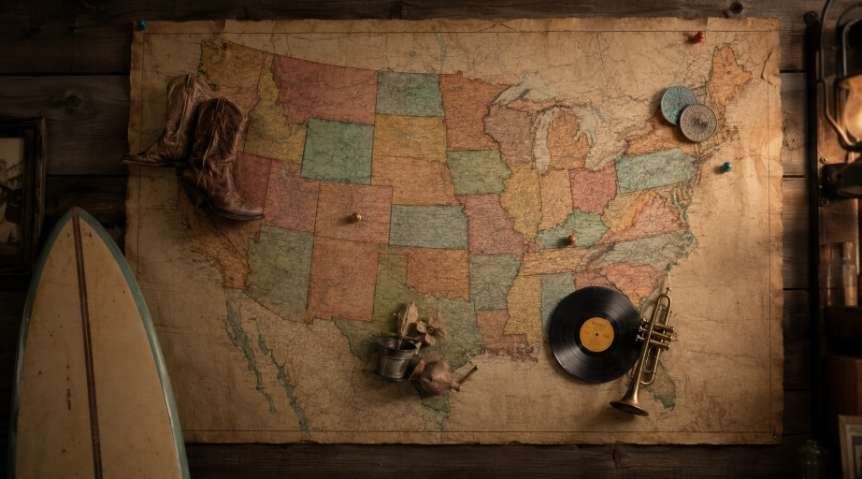
Regional speech patterns helped define modern American English.
You can also explore more everyday expressions in this guide on American slang words and meanings, which breaks down commonly used phrases across the United States.
Southern Slang Traditions
Southern expressions often sound warm, colorful, and conversational.
“Y’all” became one of the most recognizable regional American expressions because it feels inclusive and natural. Phrases like “fixing to” and “bless your heart” also reflect Southern storytelling culture.
Southern slang spreads easily because it feels rhythmic and emotionally expressive.
East Coast Street Language
Urban East Coast slang developed through immigration and city culture.
New York popularized words like “mad” to mean “very,” while Philadelphia introduced “jawn,” a flexible slang term that can describe almost anything.
These regional US expressions became cultural markers tied closely to local identity and community pride.
West Coast Pop Culture Influence
California helped export relaxed conversational slang nationwide.
Surf culture introduced phrases like “rad,” “dude,” and “stoked,” while Hollywood and internet startups later spread digital slang globally.
West Coast language trends continue influencing internet vocabulary today.
Slang Origin Stories From Music And Sports
Music and sports have shaped American slang for decades.
Goat Became Sports Royalty
“GOAT” stands for “Greatest Of All Time.”
The phrase gained mainstream popularity after LL Cool J released an album called G.O.A.T. in 2000. Athletes like Muhammad Ali later cemented it as part of sports culture.
Today, fans use “GOAT” constantly across basketball, football, and online debates.
Shook Came From AAVE
“Shook” describes feeling emotionally rattled or deeply surprised.
The expression originated in African American Vernacular English and later spread through hip-hop culture and social media. Like many modern slang terms, its roots trace back to Black American linguistic innovation.
Understanding these origins matters because many internet phrases lose cultural context once they become mainstream.
Cool Started In Jazz Culture
“Cool” once described temperature before becoming personality slang.
African American jazz musicians in the 1940s transformed it into a symbol of calm confidence and effortless style. Hollywood eventually helped spread the expression worldwide.
It remains one of the most influential slang terms ever created.
How To Explore Slang Origin Stories

Learning about slang becomes easier once you know where to look.
Start With Historical Context
Every phrase reflects a specific moment in culture. A slang term from the 1960s sounds different from internet slang because each era reflects different social pressures, music trends, and communication styles. Looking at the decade behind a phrase often explains why it became popular.
Study Regional Language
Regional expressions preserve local identity. Appalachian slang, New Orleans vocabulary, New York street language, and Southern sayings all developed under different cultural influences. Exploring regional speech reveals how American English evolved differently across states.
This also helps uncover slang origin stories many mainstream dictionaries overlook.
Use Trusted Language Resources
Reliable research improves accuracy. The Online Etymology Dictionary and the Oxford English Dictionary remain excellent resources for tracking phrase evolution and dialect history. Comparing multiple sources helps separate myths from documented linguistic history.
Why Slang Never Really Dies
Older expressions often return through music, nostalgia, or internet humor. Words from jazz culture, 1960s counterculture, and early hip-hop regularly reappear in modern online conversations.
Even outdated slang influences newer phrases. That cycle keeps language fresh while preserving traces of earlier generations.
The funniest part is how quickly people stop noticing slang once it becomes normal conversation. Words that once sounded rebellious eventually become everyday speech used by parents, teachers, and news anchors.
Frequently Asked Questions
1. How do slang terms originate?
Slang terms usually develop through music, local communities, internet culture, immigration, sports, and social trends. They spread through conversation, media, and online platforms.
2. What does “leg it” mean in UK slang?
“Leg it” means to run away quickly or leave in a hurry. It is common in casual British conversations.
3. What are some very old sayings?
Old sayings include “spill the beans,” “break the ice,” “bite the bullet,” and “cat got your tongue.” Many date back hundreds of years.
4. What are 5 slang words from the 1960s?
Popular 1960s slang included “groovy,” “far out,” “dig,” “hip,” and “bread” for money.
The Last Word On Slang Origin Stories
The best slang origin stories are entertaining because they connect language to real people, regional traditions, music culture, internet trends, and forgotten history. From Southern sayings to viral online phrases, slang continues shaping how Americans communicate, joke, and build identity every single day.