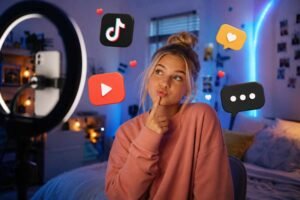

If you spend even a few minutes scrolling through TikTok, Instagram comments, Twitch streams, or gaming chats, you have probably noticed how fast online language changes now. One week everyone says “mid,” then suddenly the entire internet starts talking about “rizz,” “delulu,” or “ate.” I realized pretty quickly that keeping up with modern online conversations almost feels like learning a second language.
That is why understanding internet slang meanings matters more than ever in the United States. Social media platforms shape how Americans communicate online, especially younger audiences across Gen Z and Gen Alpha communities. From texting acronyms to viral meme reactions, internet slang now influences digital culture everywhere.
In this guide, I will break down the most popular slang terms, chat abbreviations, gaming phrases, and social media reactions Americans actually use online in 2026.
Why Internet Slang Changes So Quickly in America
Internet culture moves incredibly fast because social media algorithms constantly push viral trends into millions of feeds overnight. Platforms like TikTok, Instagram, Snapchat, Discord, and Twitch heavily influence how Americans communicate online.
Gaming culture, meme pages, livestreams, influencers, and reaction videos all contribute to the rapid evolution of slang. Some phrases disappear within months, while others become part of mainstream American language.
I have noticed that younger audiences especially use slang as a form of identity and humor. Knowing the right phrase at the right moment almost becomes part of online social currency.
Popular Internet Slang Words Americans Use in 2026
What Does “Rizz” Mean?
“Rizz” refers to charisma or flirting ability. Someone with strong rizz can attract people naturally through confidence or charm.
Example:
“He walked over and got her Snapchat instantly. His rizz is crazy.”
This phrase exploded across TikTok and YouTube culture in the US.
What Does “Delulu” Mean Online?
“Delulu” is short for delusional. People use it jokingly when someone creates unrealistic fantasies or expectations.
Example:
“I liked one photo and now I think we are soulmates. I am delulu.”
What Does “Mid” Mean?

“Mid” describes something average, disappointing, or overrated.
Example:
“That movie was honestly mid.”
Americans now use this slang constantly for food, music, fashion, sports, and entertainment.
What Does “Ate” Mean in Slang?
“Ate” means someone performed exceptionally well or looked impressive.
Example:
“She absolutely ate that performance.”
This became one of the biggest TikTok slang terms in America.
What Does “Bet” Mean?
“Bet” means yes, okay, or agreed.
Example:
“Want to grab tacos later?”
“Bet.”
What Does “Bussin’” Mean?
“Bussin’” describes something extremely good, especially food.
Example:
“These wings are bussin’.”
What Does “Cap” and “No Cap” Mean?
“Cap” means someone is lying. “No cap” means someone is being truthful.
Example:
“That story sounds like a cap.”
or
“No cap, that was the best burger I have ever had.”
What Does “Drip” Mean?
“Drip” refers to fashionable clothing or stylish appearance.
Example:
“His sneaker drip is insane.”
What Does “Sus” Mean?
“Sus” is short for suspicious.
Example:
“That excuse sounds sus.”
The term became massive after the popularity of the video game Among Us.
What Does “Tea” Mean?
“Tea” means gossip or insider information.
Example:
“Spill the tea.”
What Does “Slay” Mean?
“Slay” means doing something extremely well.
Example:
“You absolutely slayed that interview.”
What Does “Salty” Mean?
“Salty” means bitter, irritated, or upset about something minor.
Example:
“He is still salty after losing the game.”
What Does “Flex” Mean?
“Flex” means showing off achievements, money, clothing, or possessions.
Example:
“He keeps flexing his new truck online.”
What Does “Extra” Mean?
“Extra” describes overly dramatic behavior.
Example:
“She is being extra over a coffee order.”
What Does “Lit” Mean?
“Lit” means exciting, energetic, or extremely fun.
Example:
“That concert was lit.”
Essential Texting and Chat Acronyms Americans Still Use

Text abbreviations remain one of the biggest parts of online communication. Even though some acronyms are older, Americans still use them daily across texting apps and social media.
What Does “AFK” Mean?
AFK means Away From Keyboard.
People use this during gaming, livestreams, and work chats.
What Does “BRB” Mean?
BRB means Be Right Back.
What Does “FOMO” Mean?
FOMO means Fear Of Missing Out.
Example:
“I had serious FOMO watching everyone at Coachella.”
What Does “GOAT” Mean?
GOAT stands for Greatest Of All Time.
Sports fans use this constantly in America.
Example:
Many basketball fans call LeBron James the GOAT.
What Does “IYKYK” Mean?
IYKYK means If You Know, You Know.
People usually use this for inside jokes or niche references.
What Does “NGL” Mean?
NGL means Not Gonna Lie.
Example:
“NGL, that restaurant surprised me.”
What Does “SMH” Mean?
SMH means Shaking My Head.
It expresses disappointment or disbelief.
What Does “TL;DR” Mean?
TL;DR means Too Long; Didn’t Read.
People use it online when summarizing long content.
Gaming and Meme Reactions That Became Mainstream
Gaming culture now drives a huge percentage of modern online slang in America, and many popular gaming slang terms eventually spread into mainstream social media conversations, memes, and everyday texting.
What Does “W” Mean?
“W” represents a win, success, or positive outcome.
Example:
“That new album is a huge W.”
What Does “L” Mean?
“L” represents failure or embarrassment.
Example:
“That was a massive L.”
What Does “Dead” or “Ded” Mean?
“Dead” means something is hilariously funny.
Example:
“I am dead after reading those comments.”
What Does “Vibe Check” Mean?
A vibe check evaluates someone’s mood, attitude, or overall energy.
Example:
“That meeting failed the vibe check.”
Gen Z Slang vs Gen Alpha Slang
One thing I noticed while researching internet slang meanings is how quickly younger generations replace old trends with newer, more chaotic phrases.
Gen Z popularized slang like:
rizz, slay, no cap, mid, bet, and vibe check.
Gen Alpha introduced newer meme-heavy terms like:
sigma, skibidi, gyatt, and fanum tax.
The cycle moves so quickly that even slang from just three years ago can already feel outdated in American internet culture.
Why Understanding Internet Slang Matters Today
Online slang is no longer limited to teenagers. Brands, influencers, sports media, entertainment companies, and even workplaces now use internet language to connect with younger audiences. This shift has completely changed how we use language on the internet, especially across social media platforms and online communities.
Understanding internet slang meanings helps people:
follow social media trends, understand memes, communicate naturally online, recognize humor faster, and avoid confusion during digital conversations.
I have personally found that knowing the context behind slang matters much more than trying to force every trending phrase into conversation.
FAQs About Internet Slang
1. What is the most popular internet slang in 2026?
Some of the most popular slang terms in America right now include rizz, delulu, mid, ate, no cap, sigma, and bussin’.
2. What does “rizz” mean on TikTok?
Rizz means charisma or flirting ability.
3. Why does internet slang change so fast?
Social media algorithms, memes, gaming culture, and viral trends constantly introduce new phrases online.
4. What slang do Gen Z use the most?
Gen Z commonly uses terms like slay, bet, no cap, rizz, and mid.
5. Is internet slang mostly used by teenagers?
Teenagers drive many slang trends, but adults, brands, influencers, and companies now use online slang regularly too.
Final Thoughts on America’s Viral Online Language
Internet slang has become one of the biggest parts of modern digital culture in the United States. From TikTok trends to gaming reactions and texting acronyms, online language now changes faster than ever before.
The biggest lesson I learned while exploring these phrases is that slang reflects internet culture in real time. Some words disappear quickly, while others completely reshape how Americans communicate online.
Whether you are trying to decode TikTok comments, understand gaming chats, or simply keep up with younger audiences, learning modern slang makes online conversations much easier to follow.