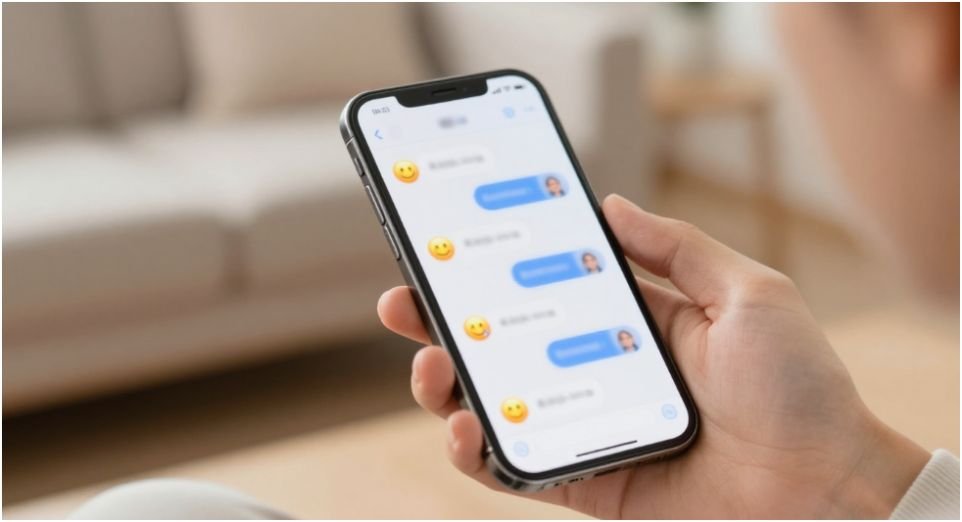
The first time I heard a teen say someone “lost aura points,” I knew parents needed more than a basic dictionary. Teen Slang Meanings Guide is not about forcing adults to sound young. It is about understanding what teens mean before we react, correct, or completely miss the joke.
Teen slang changes fast because it comes from memes, gaming, TikTok, YouTube Shorts, group chats, and school culture. Sources like Gabb and Axis update teen slang resources often because these words shift with online trends, jokes, and social behavior.
This blog breaks down the slang parents are most likely to hear in 2026, using simple meanings, real examples, and parent-friendly context from the uploaded slang notes.
Why Parents Need a 2026 Slang Reset
Slang is not just random teen noise. It often shows how teens joke, flirt, disagree, complain, or signal social status. A word like “mid” can sound rude, but it usually means something feels average. A phrase like “I’m cooked” can mean a teen feels doomed, exhausted, or unprepared.
That is why Teen Slang Meanings Guide matters. Parents do not need to memorize every trend. They need to understand tone and context. If your teen says, “That test cooked me,” they probably mean the test was hard. If they say a friend “crashed out,” they may be describing a real emotional blowup.
The American Academy of Pediatrics also encourages family media plans and ongoing conversations around digital life instead of relying only on rigid screen-time limits. That approach fits slang too. Talk first. Judge later.
The Big Vibe Words Teens Use Every Day

Some slang words describe identity, confidence, and social energy. These are the words teens use when they talk about someone’s image, charm, or personality.
Aura and Aura Points
“Aura” means someone’s overall cool factor or presence. Teens may joke that a person gains aura points after doing something impressive and loses them after doing something embarrassing.
If your teen says, “Minus 1,000 aura points,” they are probably joking about social embarrassment. It is not a real score. It is a playful way to describe confidence, reputation, or awkwardness.
Rizz
“Rizz” comes from “charisma.” It means charm, smooth-talking ability, or romantic confidence. A teen might say someone has “rizz” if they can talk easily, flirt well, or make people like them.
This word is usually harmless, but context matters. If your teen uses it around dating, it may open a natural conversation about respect, consent, and healthy relationships.
Sigma
“Sigma” describes someone independent, confident, and not too worried about social approval. Teens often use it as a joke for someone who avoids drama or acts like a lone wolf.
A “sigma move” may simply mean someone did their own thing. Parents should avoid reading too much into it unless the behavior seems isolating or disrespectful.
Delulu
“Delulu” is short for delusional. Teens use it playfully when someone has unrealistic hopes, especially about relationships, school, celebrities, or life.
For example, “I’m delulu enough to think I passed that test” usually means the teen knows they are being unrealistic. It is humor, not necessarily a serious mental health comment.
Teen Slang Meanings for Parents: Truth, Opinions, and Reactions
This group of Gen Z slang words helps teens react quickly. These terms show agreement, disbelief, disappointment, honesty, or stress.
Cap and No Cap
“Cap” means a lie or exaggeration. “No cap” means “I’m telling the truth.” If your teen says, “That’s cap,” they are calling something fake or unbelievable.
Parents may hear this during arguments, jokes, or reactions to social media claims. A calm response works best. Try asking, “What part sounds fake to you?” That keeps the conversation open.
Mid
“Mid” means average, boring, mediocre, or disappointing. Teens use it for food, movies, outfits, games, music, and even school events.
If your teen says dinner is “mid,” it may feel insulting. Still, the word often means “not exciting” rather than “terrible.” You can answer with humor: “Not five-star, but edible?”
Lowkey and Highkey
“Lowkey” means secretly, slightly, or quietly. “Highkey” means openly, strongly, or obviously.
A teen might say, “I lowkey want to stay home, but I highkey need to study.” That means they secretly want rest but clearly know school matters.
These words help parents read emotional conflict. A teen may use them when they feel torn, embarrassed, or unsure.
Cooked
“Cooked” means doomed, exhausted, overwhelmed, or in trouble. If your teen says, “I’m cooked,” ask for context before reacting.
Sometimes it means they forgot an assignment. Sometimes it means they feel burned out. That difference matters. This is one of the most useful teen slang meanings for parents because it can hint at stress.
Texting Slang for Parents: Shortcuts, Emojis, and Fast Replies
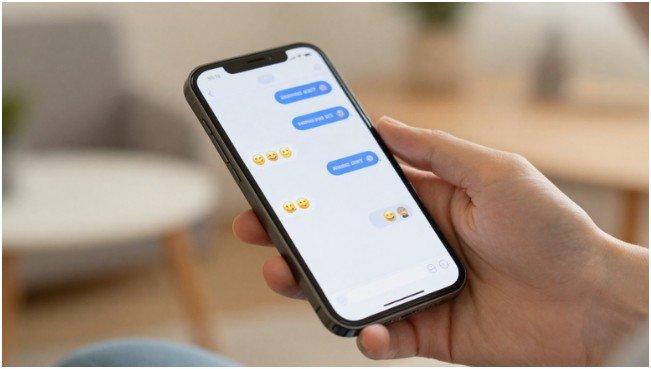
Texting language moves quickly because teens want short replies that still carry tone. These terms often appear in group chats, comments, captions, and quick reactions.
IKR, FR, NGL, and RN
“IKR” means “I know, right?” It shows agreement. “FR” means “for real.” It adds emphasis or confirms honesty.
“NGL” means “not gonna lie.” Teens use it to form an honest opinion. “RN” means “right now.”
These are common texting slang for parents’ terms because they appear in everyday messages. For example, “NGL, I’m tired rn” means “Honestly, I’m tired right now.”
W, L, and the Skull Emoji
“W” means win. “L” means loss. Teens use them to react quickly. Getting good news is a W. Forgetting homework is an L.
The skull emoji usually means something is extremely funny. It often translates to “I’m dead from laughing,” not actual danger. Context still matters, but most uses are harmless humor.
Bet
“Bet” can mean yes, okay, agreed, or challenge accepted. If a teen says, “Bet,” they may be confirming plans or accepting a dare.
Tone matters here. A casual “bet” is an agreement. A sharper “bet” during conflict may mean, “Fine, watch what happens.”
Internet Culture Words Parents Should Understand
Some slang comes straight from social media habits. These words help teens describe performance, scrolling, frustration, or even silence.
Ate and Left No Crumbs
“Ate” means someone did an amazing job. “Left no crumbs” adds extra praise. Teens use it for outfits, dances, makeup, performances, sports moments, or comebacks.
If your teen says, “She ate,” that is usually a compliment. It means someone impressed them.
Brain Rot
“Brain rot” describes mindless or hyper-specific internet content that feels addictive or silly. Teens may use it after scrolling TikTok, watching Shorts, or quoting weird memes.
This phrase is useful for parents because it can start a healthy media conversation. The AAP suggests screen-free times, such as meals, bedtime, or in-person friend time, to protect balance.
Crash Out
“Crash out” means losing your temper, overreacting, or having an emotional breakdown. It can be used jokingly, but it can also describe real anger.
If your teen says someone “crashed out,” ask what happened. This term can point to conflict, stress, bullying, or poor emotional control.
Mewing
“Mewing” began as a jawline-related trend. Teens now also use it jokingly to avoid answering a question. Someone may press their tongue up or stay silent and say they are “mewing.”
If your teen says this at the dinner table, they may be joking. If they use it to dodge serious questions, pause and reset the conversation.
When Slang Is Harmless and When Parents Should Pay Attention

Most slang is harmless. Teens have always used language to create identity and distance from adults. Every generation has its own words. Parents.com notes that slang has always shaped teen expression across decades.
Still, some phrases deserve attention. Watch for slang tied to humiliation, threats, secrecy, sexual pressure, self-harm, bullying, or constant emotional distress. One phrase does not prove a problem, but patterns matter.
If a teen keeps saying they are “cooked,” “done,” or “crashing out,” ask about sleep, school pressure, friendships, and online conflict. Stay calm. Teens often reveal more when parents sound curious instead of alarmed.
FAQs About Teen Slang Meanings Guide
1. What Is the Best Way to Learn Gen Z Slang as a Parent?
The best way is to ask your teen directly and keep your tone light. You can also use trusted parent resources like Gabb, Axis, Bark, and Common Sense Media for updated slang lists.
2. What Are Common Texting Slang Words Parents Should Know?
Common texting slang includes IKR, FR, NGL, RN, IMO, SMH, ISTG, IDK, W, L, and the skull emoji. These shortcuts help teens react fast in texts and group chats.
3. Should Parents Use Gen Z Slang With Their Teens?
Use it carefully. A little humor can work, but forced slang can feel awkward. Understanding slang matters more than performing it.
4. Is Brain Rot a Serious Term?
Usually, “brain rot” is a joke about too much internet content. Still, it can lead to a useful conversation about sleep, focus, screen habits, and online balance.
Final Take: Don’t Be Cringe, Be Curious
Learning Teen Slang Meanings Guide does not mean turning into the parent who says “rizz” at the worst possible time. It means understanding enough to stay connected.
Keep a small slang cheat sheet. Ask what new words mean. Notice tone. Laugh when it is harmless. Lean in when it sounds stressful.
The next time your teen says they are “cooked,” you will know what to ask: “Cooked like tired, cooked like homework, or cooked like we need snacks?”