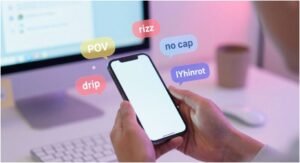

The first time I saw someone write “no cap,” I thought they were talking about a hat. They were not. What Does No Cap Mean in Slang? It means “no lie,” “for real,” or “I am telling the truth.”
People use it in texts, TikTok comments, gaming chats, group messages, and casual conversations. It adds honesty, emphasis, and sometimes a little attitude to a sentence.
Quick Answer: What Does No Cap Mean in Slang?
“No cap” means the speaker is not lying or exaggerating. It works like “seriously,” “truthfully,” “for real,” or “I’m not making this up.”
For example, someone might say, “That was the best pizza I’ve had all year, no cap.” The phrase tells the reader, “I know this sounds strong, but I mean it.”
The opposite is “cap,” which means a lie or exaggeration. If someone says, “That’s cap,” they mean, “That’s not true.” If they say, “Stop capping,” they mean, “Stop lying” or “stop exaggerating.”
Where “No Cap” Comes From

“No cap” may feel like modern social media slang, but the word “cap” has a longer cultural history. It did not begin as random TikTok language.
From Cap to No Cap
The use of “cap” to mean lying, bragging, or exaggerating has roots in Black American speech and hip-hop culture. Over time, “cap” became a way to call out fake claims, while “no cap” became a way to stress honesty.
The phrase gained wider attention through rap culture, especially in the Atlanta hip-hop scene. After that, it moved into social media, memes, TikTok comments, gaming spaces, and everyday texting.
This origin matters because many popular slang terms come from specific communities before they become mainstream. AAVE, queer communities, music culture, gaming spaces, and digital subcultures often shape the words people later use online.
Why It Spread Online
Slang spreads fast because social platforms reward repetition. A phrase starts in one group, creators repeat it, comments copy it, and algorithms push it to more feeds.
That is how a term can move from a niche community to classrooms, Discord servers, TikTok captions, and family group chats in a short time.
How to Use “No Cap” Naturally

The easiest way to understand what does no cap mean in slang is to see it in normal sentences. It works best in relaxed conversations.
At the End of a Sentence
This is the most common placement.
“I could eat tacos every day, no cap.”
“That movie was better than the trailer, no cap.”
“You actually handled that meeting well, no cap.”
When you place it at the end, it works like a stamp of honesty. It makes the statement feel more confident.
At the Beginning of a Sentence
You can also use it before the main point.
“No cap, that was the funniest thing I heard all week.”
“No cap, your outfit looks clean today.”
“No cap, I almost deleted the app after that update.”
This version sounds conversational. It feels like someone is giving a direct and honest opinion.
Cap, Capping, and No Cap: What Is the Difference?

These three terms are connected, but they do not mean the same thing.
“Cap” means a lie or exaggeration. If someone says, “That’s cap,” they are saying the claim is false.
“Capping” means lying, flexing, or exaggerating. “Stop capping” means “stop lying.”
“No cap” means “no lie” or “for real.” It supports your own statement instead of calling out someone else.
For example, “I beat everyone in the game with one hand” might get the reply, “That’s cap.” But “No cap, that final level was hard” means the speaker truly found it difficult.
Slang Terms Similar to “No Cap”
“No cap” belongs to a larger group of modern slang terms people use in casual online speech.
“Bet” means agreement, like “okay” or “cool.” Someone might say, “You want to meet after class? Bet.”
“Rizz” means charm or charisma, especially romantic charm. A person with strong rizz knows how to flirt or impress someone.
“Valid” means something is good, fair, or understandable. For example, “That complaint is valid.”
“Cook” means to perform well or let someone keep doing what they are good at. “Let him cook” means “let him keep going.”
“Sus” means suspicious or shady. “That link looks sus” means it may not be safe.
These terms help people react quickly. They also create a shared tone inside online communities. If you are trying to understand teen conversations, a helpful next read would be gaming slang for parents because gaming chats use many of these same fast-moving expressions.
Why Internet Slang Changes So Fast

Internet slang evolves through speed, creativity, and social pressure. Traditional language can take years to shift. Online slang can rise and fade in weeks.
First, users create shortcuts. Early texting gave us acronyms like LOL, BRB, and OMG because people wanted faster messages.
Second, communities shape identity. A phrase may begin inside Black culture, queer spaces, Twitch streams, TikTok niches, or gaming groups. Using the term signals that someone understands the group.
Third, algorithms amplify the phrase. Creators notice that a trending word gets attention. They repeat it in captions, jokes, comments, and reaction videos. The word then spreads beyond its original context.
Finally, overuse can make slang feel “cringe.” Once brands, teachers, parents, or mainstream media use a term too heavily, younger users often move on. They want language that feels fresh and specific to them.
That is why “no cap” still works, but it may not feel as new as it once did.
When “No Cap” Sounds Natural or Awkward
The best slang sounds effortless. The worst slang sounds like someone copied it from a list five minutes ago.
“No cap” sounds natural in casual texting, social captions, gaming chats, and friendly conversations. It works when you want to make a strong opinion sound honest.
It sounds awkward in formal writing, job emails, school assignments, client messages, or serious conversations. If someone is sharing bad news, “no cap” can feel too casual.
This sounds natural:
“No cap, that burger was worth the wait.”
This sounds forced:
“No cap, attached is the quarterly performance report.”
A simple rule helps: use “no cap” where you would comfortably say “for real.” Avoid it where “truthfully” or “to be clear” would sound better.
FAQs
1. What does no cap mean in texting?
In texting, “no cap” means “no lie,” “for real,” or “I’m being honest.” It adds emphasis to a statement that might sound exaggerated.
2. Is “no cap” rude?
“No cap” is not rude by itself. It depends on context. Saying “That’s cap” to someone can sound blunt because it means you think they are lying.
3. What does “that’s cap” mean?
“That’s cap” means “that is a lie” or “that is not true.” People use it to call out exaggeration, fake stories, or suspicious claims.
No Cap, You Know the Meaning Now
When I hear “no cap” now, I do not think of a hat anymore. I hear someone adding a quick truth signal to a casual sentence. That is the real answer to What Does No Cap Mean in Slang: it is a short way to say, “I mean this.”
Use it with friends, texts, gaming chats, and social posts. Skip it in formal or emotional moments. Slang works best when it matches the tone, place, and person reading it.
No cap, that is the easiest way to avoid sounding awkward.