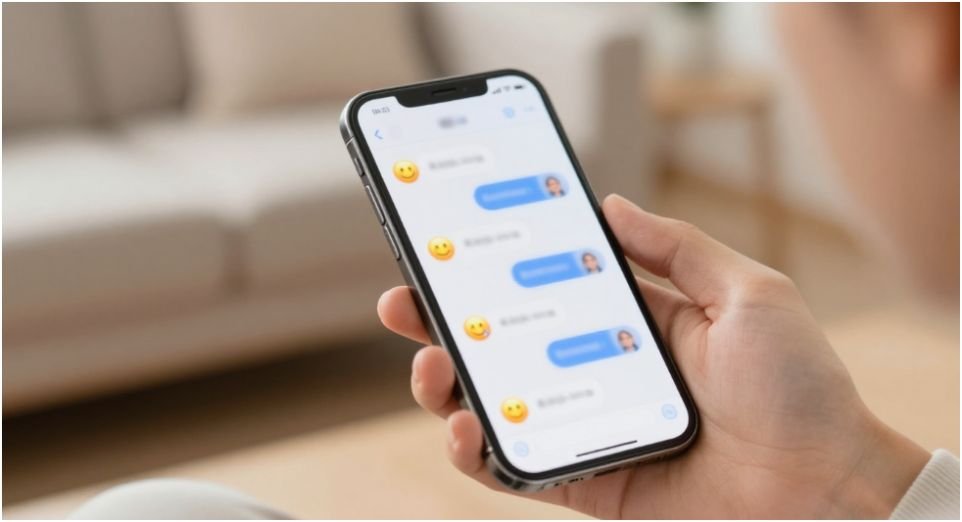

Live chat has its own heartbeat. One second, everyone is spamming “W” after a wild comeback. The next chat is drowning in “KEKW,” “copium,” or “MonkaS” because the streamer made one risky move. For new US viewers, this fast-moving language can feel confusing at first, but it is also what makes streaming culture so addictive.
In this streamer slang explained blog, I’ll break down the words, emotes, and creator phrases that turn a regular broadcast into a full community experience.
What Does Streamer Slang Mean?
Streamer slang means the casual words, emotes, abbreviations, and inside jokes used by creators and viewers during live broadcasts. It helps chat respond quickly when something funny, dramatic, awkward, impressive, or chaotic happens.
In the US, this language has grown beyond Twitch. You now see it on YouTube Live, TikTok Live, Kick, Discord, Reddit, gaming communities, and even everyday social media comments. Some terms come from games, some come from memes, and others come from specific streamers whose audiences made the phrases go viral.
Understanding streaming terms helps you enjoy the moment instead of feeling lost. It also helps parents, new viewers, and beginner creators understand what people mean when chat starts moving fast.
Core Streamer Terms Every New Viewer Should Know
What Does Chat Mean?
“Chat” refers to the collective live audience watching a stream. Streamers often talk to viewers as one group by saying things like, “Chat, is this real?” or “Chat, what should I do next?”
It is more than a comment section. In many streams, chat becomes part of the entertainment because viewers react, joke, vote, tease, and shape the mood of the broadcast.
What Is a Dono or Superchat?
“Dono” is short for donation. It means a viewer sent money or a paid message to support the creator. On YouTube Live, people often call this a Superchat.
Example: “That dono message made the whole stream laugh.”
What Does Sub Mean?
“Sub” means subscription. On platforms like Twitch, a sub is usually a paid monthly membership that supports the streamer and may unlock badges, emotes, or special chat perks.
What Is a Subathon?
A subathon is a marathon stream where new subscriptions, donations, or memberships add more time to the broadcast. Some subathons last for hours, while famous ones have continued for days.
What Is a Raid?
A raid happens when one creator ends their stream and sends their live audience to another streamer’s channel. It helps creators support each other and introduce viewers to new communities.
What Is a VOD?
VOD means “video on demand.” It is a saved recording of a past live stream. People who mostly watch recordings instead of live broadcasts are sometimes jokingly called “VOD frogs.”
What Is Stream Sniping?
Stream sniping happens when a viewer watches a streamer’s live screen to gain an unfair advantage in an online game. For example, someone may find the streamer’s location in a multiplayer match by watching the broadcast.
Hype, Success, and Failure Slang in Live Chat
What Does W Mean in Chat?
“W” means win. Viewers spam it when something good happens. A great play, funny comeback, smart decision, or exciting announcement can all earn a “W” from chat.
Example: “That clutch ending was a W.”
What Does L Mean in Chat?
“L” means loss. Chat uses it when something goes wrong, a streamer fails, or a moment becomes embarrassing.
Example: “Missing that easy shot was an L.”
It can be playful, but it can also feel rude if viewers overuse it.
What Does Pog Mean?
“Pog,” “Poggers,” and “PogChamp” express excitement, surprise, or hype. Viewers use these words when something impressive happens on stream.
Example: “You won with one health left? Pog!”
What Does Clutch Mean?
“Clutch” means someone succeeded under intense pressure. In gaming streams, viewers use it when a player wins a difficult round, survives a close fight, or saves the team at the last second.
What Does Scuffed Mean?
“Scuffed” describes something messy, broken, low-quality, or poorly produced. A stream with bad audio, lag, awkward transitions, or technical problems may get called scuffed.
Example: “This setup is scuffed, but it’s funny.”
What Does Glow Up Mean?
“Glow up” means a major improvement. In streaming, viewers may use it when a creator upgrades their camera, lighting, room setup, editing style, confidence, or gaming skills.
Famous Emote Slang and Text Shorthand
What Does Kappa Mean?
Kappa signals sarcasm or irony. When someone adds Kappa to a sentence, they usually mean the comment as a joke.
Example: “Best aim in the world Kappa.”
What Does KEKW Mean?
KEKW means laughter. It works like a more Twitch-specific version of “LOL.” Viewers use it when something genuinely funny happens.
Example: “He fell off the map again. KEKW.”
What Does LUL Mean?
LUL also means laughter. Like KEKW, it comes from emote culture and appears when chat reacts to jokes, fails, or funny timing.
What Does Copium Mean?
“Copium” combines “cope” and “opium.” Viewers use it when someone makes excuses or stays unrealistically hopeful after losing.
Example: “He says he can still win. That is pure copium.”
What Does Sadge Mean?
“Sadge” expresses sadness, disappointment, or feeling let down. Viewers use it when a stream ends early, a player loses, or something mildly emotional happens.
What Does MonkaS Mean?
MonkaS shows anxiety, pressure, or nervous tension. Chat uses it during close calls, horror games, risky plays, or stressful moments.
Example: “Final boss with no healing left? MonkaS.”
What Does Donowall Mean?
Donowall means a creator ignored a viewer’s donation or paid message. Sometimes it happens by accident when chat moves too fast.
What Does o7 Mean?
“o7” is a text-based salute. The “o” looks like a head, and the “7” looks like a raised arm. Viewers use it to show respect, farewell, or support.
Example: “The mod handled that perfectly. o7.”
Gen Z and Alpha Slang Used in Streams
What Does Rizz Mean?
“Rizz” means charm, confidence, or flirting ability. In live-streaming culture, viewers may say a streamer has rizz when they handle a social moment smoothly or say something charismatic.
What Does Aura Mean?

“Aura” refers to someone’s cool factor, presence, or overall social energy. Viewers may joke that someone gained or lost aura based on a funny, awkward, or impressive moment.
What Does Cap and No Cap Mean?
“Cap” means a lie. “No cap” means seriously or no lie.
Example: “That was the best stream this week, no cap.”
What Does Smooth Brain Mean?
“Smooth brain” is a joking insult that means someone made a foolish decision or missed something obvious. It can be funny in friendly communities, but it can also sound harsh.
What Does Main Character Energy Mean?
“Main character energy” describes someone acting like the world revolves around them. Chat may use it when a streamer makes a dramatic entrance, gets overconfident, or turns a small moment into a big scene.
What Does Touch Grass Mean?
“Touch grass” means someone should take a break from the internet and go outside. Viewers often use it when chat gets too intense, too dramatic, or too online.
Gaming Slang That Shows Up in Streams
Gaming slang heavily influences live-streaming language. “AFK” means away from keyboard. “BRB” means be right back. “GG” means good game. “Sweaty” describes someone trying extremely hard. “Tilted” means frustrated or emotionally thrown off after losing.
These terms appear across Twitch, YouTube Live, Discord, and gaming communities because many streamers built their audiences through games. Even lifestyle and reaction streamers use gaming slang now because it has become part of wider internet culture.
Risky or Negative Streamer Slang Viewers Should Understand
Some streaming terms describe behavior that can harm a creator or community. A troll tries to annoy or upset people for attention. Spam means repeated messages that flood chat. Viewbotting means using fake viewers to make a stream look more popular.
Brigading happens when a group floods another creator’s stream or community, often to harass or overwhelm it. A hate raid is a coordinated attack where users flood a chat with abusive messages. “TOS” means terms of service, so when viewers say something is “against TOS,” they mean it may break the platform’s rules.
Learning these words matters because streamer culture is not only about jokes. It also includes moderation, safety, and healthy community behavior.
How to Use Streamer Slang Without Sounding Awkward

The best way to use streaming slang naturally is to watch before you jump in. Every creator has a different chat culture. One community may love sarcasm and edgy jokes, while another may prefer a calm, friendly tone.
Start with simple terms like W, GG, Pog, LUL, or KEKW. These fit many streams and are easy to understand. Avoid using insults, spam, or risky slang unless you know the community well.
Good chat behavior still matters. A funny word can become annoying if viewers repeat it too much or use it to mock someone. If you are unsure, keep the tone respectful.
Is Streaming Slang Only for Twitch?
No. Twitch helped popularize many terms, but streaming language now appears across YouTube Live, Kick, TikTok Live, Discord, gaming forums, Reddit, and social media. That is why a modern streamer slang explained article needs to cover more than one platform.
Some terms remain platform-specific, such as Superchat on YouTube or Hype Train on Twitch. Others, like W, L, rizz, aura, no cap, Pog, sus, and touch grass, have moved into mainstream online speech.
FAQs About Streaming Slang
1. What does streamer slang mean?
Streamer slang means the words, abbreviations, emotes, and phrases viewers and creators use during live streams. It helps people react quickly to funny, exciting, stressful, or awkward moments.
2. Why is streamer slang explained important for beginners?
Streamer slang explained clearly helps beginners understand Twitch chat, YouTube Live comments, creator terms, gaming phrases, and emote meanings without feeling confused during a fast-moving broadcast.
3. What does W mean in streamer slang?
W means win. Chat uses it when something positive happens, such as a great play, funny moment, smart move, or successful announcement.
4. What does L mean in live chat?
L means loss. Viewers use it when a streamer fails, loses, makes a mistake, or has an embarrassing moment.
Final Takeaway for New US Viewers
Streaming language changes fast, but the basics are easy once you know the patterns. Many terms show emotion, such as Pog, KEKW, Sadge, and MonkaS. Others explain stream culture, such as raid, subathon, VOD, dono, mod, and stream sniping.
Newer phrases like rizz, aura, cap, no cap, and main character energy show how strongly Gen Z and Alpha slang shape live chat in the US, especially as viral internet phrases move from social media into streaming communities.
Once you understand these terms, live streams feel less confusing and more entertaining. You do not need to memorize every word at once. Learn the common phrases first, watch how chat uses them, and join the conversation naturally.