In modern construction, the management of moisture within building assemblies is critical to maintaining the structural integrity and indoor air quality of buildings. One key component in effective moisture control is the use of vapour permeable membranes. These specialised materials play a crucial role in preventing moisture-related problems, ensuring durability and energy efficiency in buildings.
What Is a Vapour Permeable Membrane?
A vapour permeable membrane is a type of building membrane that allows water vapour to pass through while preventing liquid water from penetrating the structure. This characteristic makes the membrane essential for controlling building moisture and reducing condensation. Unlike traditional membranes that block moisture entirely, vapour permeable membranes provide a balance between breathable and waterproof qualities.
How Vapour Permeable Membranes Work
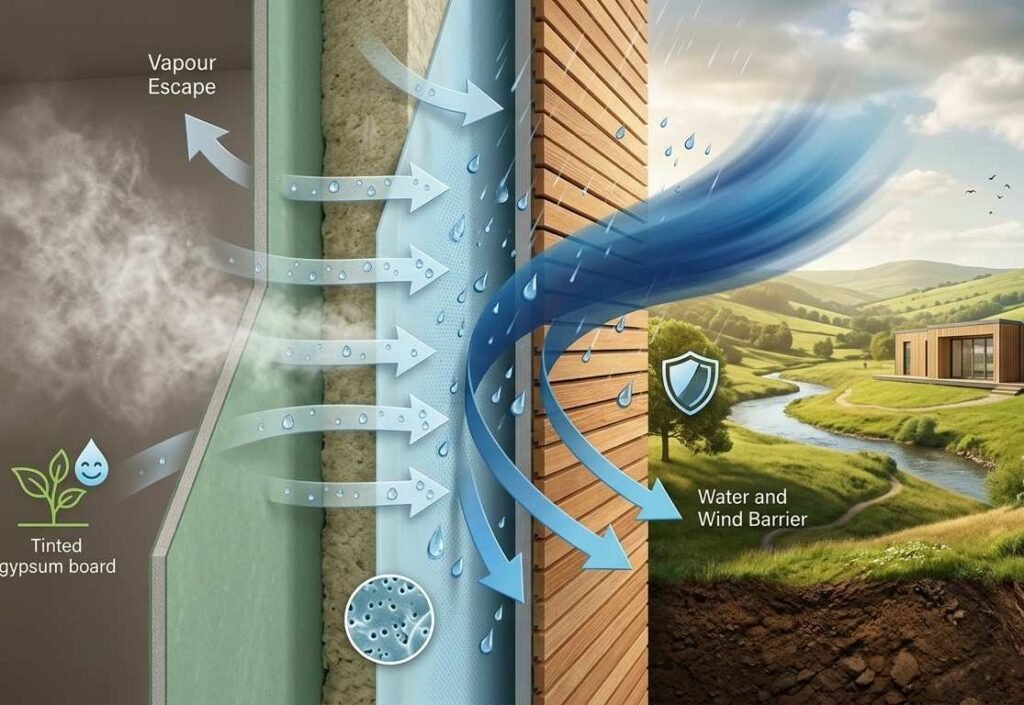
The functionality of vapour permeable membranes centres on their ability to facilitate the escape of water vapour from the interior of the building. Water vapour generated indoors can migrate through the building fabric due to temperature differences and moisture gradients. If this vapour becomes trapped inside walls or roofs, it can condense into water, causing damage to insulation, timber, and other materials.
The membrane’s permeability allows vapour to escape while maintaining a barrier against rain and external moisture. This selective permeability helps maintain optimal moisture levels within the building fabric, preventing issues such as mould growth, rot, and corrosion.
Applications of Vapour Permeable Membranes
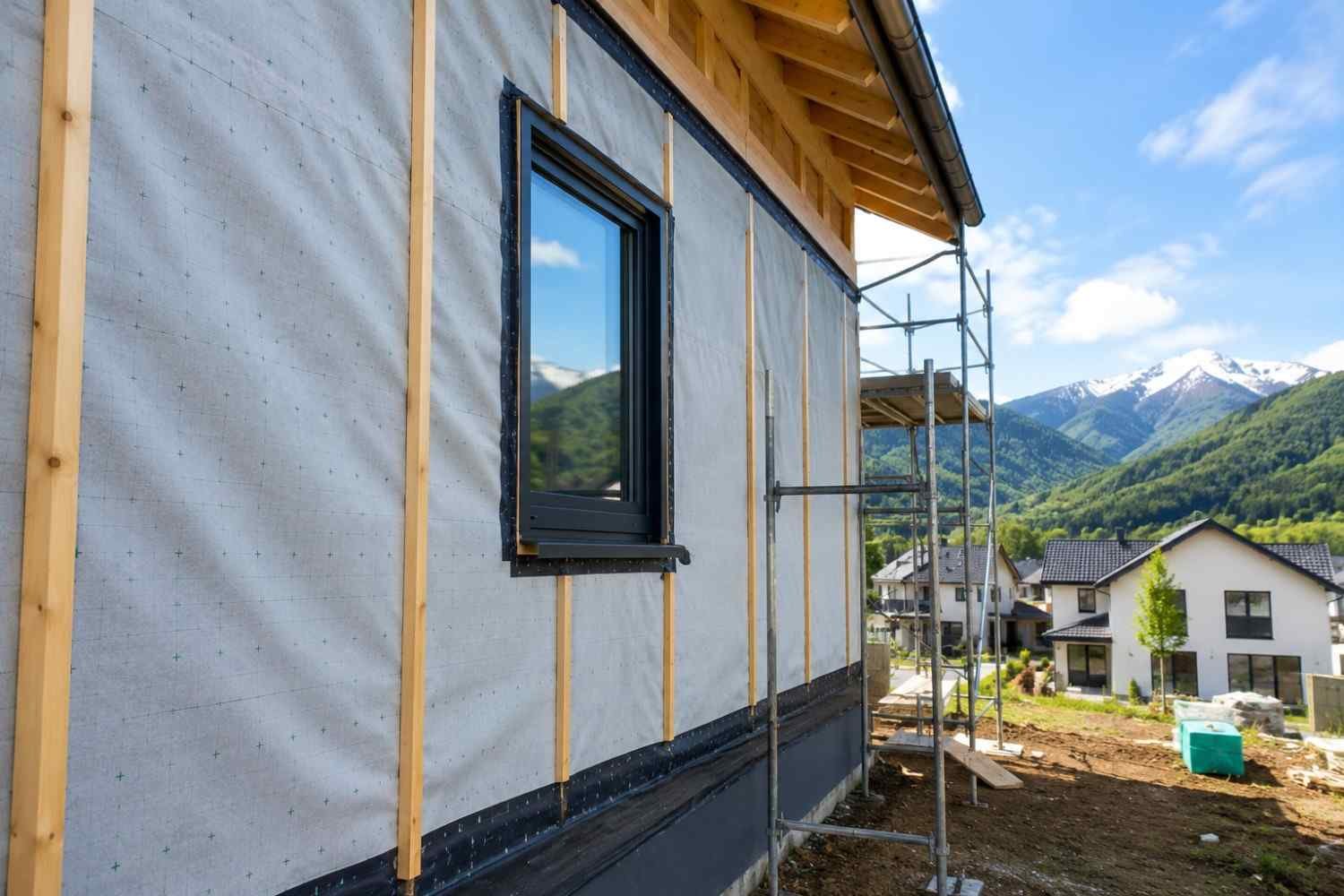
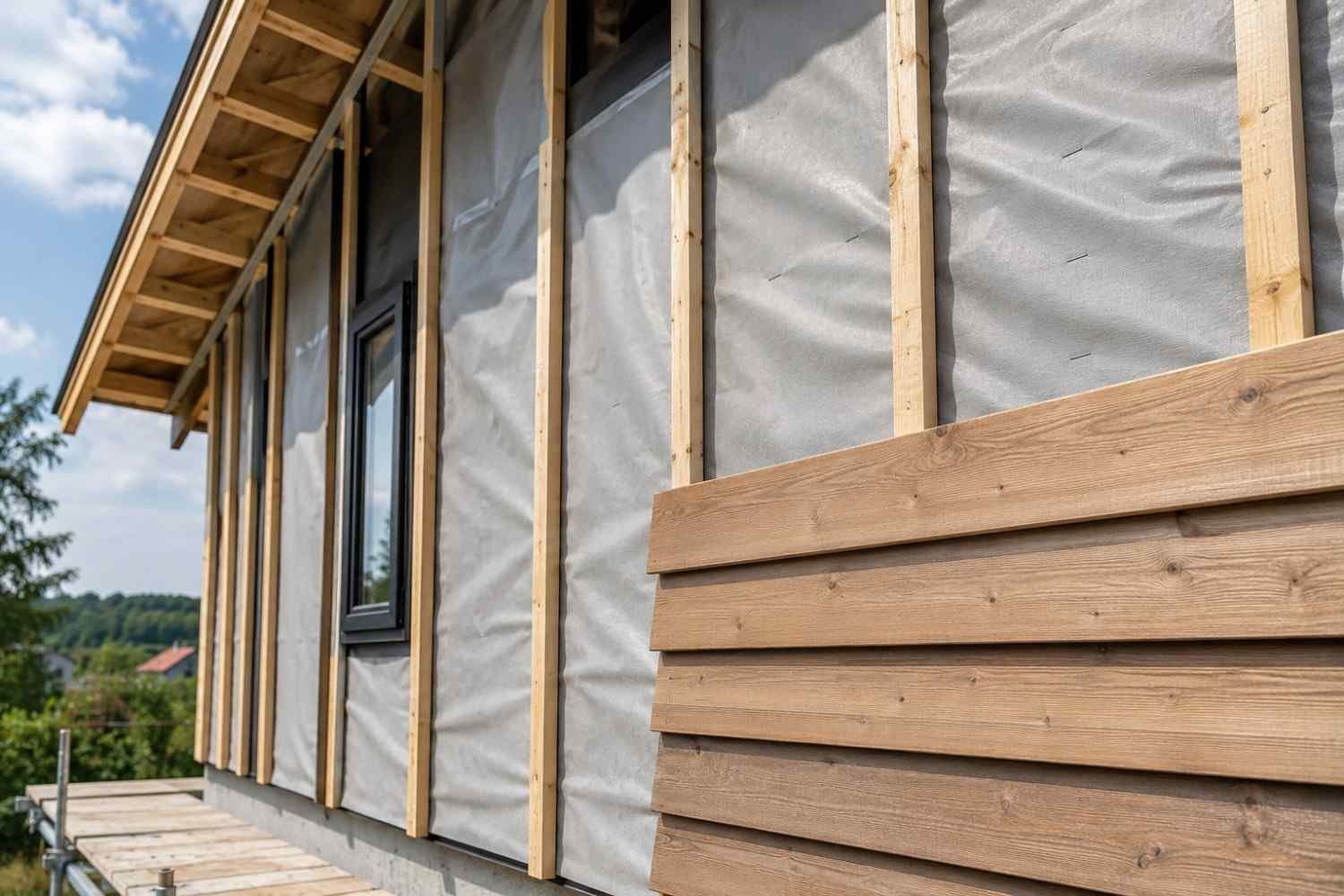
These membranes are commonly applied in roofing and wall systems, especially in residential and commercial buildings. In roofs, they serve as underlayments beneath roofing materials, providing an additional layer of protection against both water ingress and vapour accumulation. In walls, vapour permeable membranes are typically installed behind cladding systems.
In areas with varying seasonal temperatures, the membrane’s ability to manage moisture transport is particularly valuable. It ensures the building envelope can breathe while remaining resistant to environmental moisture.
Benefits of Using a Vapour Permeable Membrane
The use of a vapour permeable membrane offers several advantages:
1. Enhanced Durability
By reducing the risk of moisture accumulation within building assemblies, these membranes extend the lifespan of structural components. Preventing water ingress and condensation inhibits deterioration of materials such as timber, plasterboard, and insulation.
2. Improved Indoor Air Quality
Effective moisture management mitigates the growth of mould and mildew, which can negatively impact indoor air quality and occupants’ health. The breathable nature of the membrane helps maintain a drier, healthier environment indoors.
3. Energy Efficiency
Dry insulation performs better than wet insulation in retaining thermal properties. By keeping moisture levels low, vapour permeable membranes contribute to improved energy efficiency and lower heating and cooling costs.
4. Structural Protection
Water trapped within building structures can lead to warping, decay, and corrosion of metal components. Vapour permeable membranes act as a barrier to liquid water while allowing vapour escape, protecting the structural elements.
5. Compliance with Building Codes
Many modern building regulations and standards require the use of membranes that balance vapour permeability with water resistance to ensure building safety and integrity. Selecting the appropriate vapour permeable membrane helps meet these requirements.
Selecting the Right Vapour Permeable Membrane
Not all membranes perform equally, and the choice depends on the building type, climate, and specific location within the building envelope. Key factors when selecting a membrane include breathability rating, water resistance, UV tolerance, and ease of installation.
It is recommended to consult the technical specifications of the membrane, including data on moisture vapour transmission rates and durability under environmental exposure.
Installation Considerations
Correct installation is essential to realise the full benefits of vapour permeable membranes. The membrane must be integrated carefully with other elements such as vapour barriers, insulation, and cladding. Improper installation can compromise the membrane’s performance, leading to moisture-related issues.
Seam sealing, appropriate overlaps, and protection during construction are among the critical steps to ensure a robust installation.
Vapour Permeable Membranes in Sustainable Building Practices
Sustainable building design focuses on reducing environmental impact while enhancing occupant comfort. Vapour permeable membranes support these goals by protecting building assemblies from moisture damage, thereby reducing repair and replacement needs and extending material life.
Additionally, by maintaining dry insulation and improving energy efficiency, these membranes contribute to lower energy consumption and reduced greenhouse gas emissions.
Key Manufacturers and Products
Several manufacturers specialise in the production of high-performance vapour permeable membranes suitable for various applications. For those seeking more detailed information or products designed to meet rigorous standards, it is beneficial to consult established suppliers.
One notable example is the vapour permeable membrane offering from Gibs, designed to meet the demands of modern construction projects and provide reliable moisture control.
Challenges in Using Vapour Permeable Membranes
While these membranes offer many benefits, some challenges include ensuring compatibility with other materials and correct installation to prevent unintended vapour trapping. Incorporating them into an annual property maintenance plan can help identify moisture-related issues early and support long-term building performance. In climates with high exterior humidity or in buildings lacking proper ventilation, additional considerations are necessary.
Future Trends and Innovations
Advancements in membrane technology continue to improve permeability properties while enhancing durability and environmental resistance. Innovations include the development of membranes with higher vapour transmission rates combined with superior water resistance, as well as the integration of antimicrobial properties.
These trends highlight the ongoing role vapour permeable membranes will play in building science and construction.
Conclusion
Vapour permeable membranes are essential components in modern building envelopes, striking a balance between water resistance and breathability. Their use protects structural materials, improves indoor air quality, and supports energy efficiency.
Effective moisture management is vital for the longevity and performance of buildings, and selecting high-quality membranes, such as the vapour permeable membrane, ensures that moisture-related risks are minimised. For architects, builders, and specifiers, understanding the properties and benefits of these membranes is critical to delivering buildings that stand the test of time.