
Owning a rental property offers valuable financial opportunities, but it also comes with legal and practical responsibilities. Successful landlords understand that providing safe housing, maintaining the property, and communicating effectively with tenants are essential for long-term success.
By fulfilling these obligations consistently, property owners can build positive tenant relationships, reduce disputes, and protect the value of their investment.
Provide a Safe and Habitable Living Environment
One of the most important responsibilities of any landlord is providing tenants with a home that is safe, clean, and suitable for occupancy. Before a tenant moves in, every major system should be inspected to ensure it functions properly. Heating, plumbing, electrical systems, doors, windows, and roofing should all be in good working condition to support a comfortable living environment.
Landlords should also ensure that the property complies with applicable housing regulations and safety requirements. Smoke detectors, carbon monoxide detectors where required, secure locks, handrails, and adequate lighting all contribute to tenant safety. Taking preventive measures before issues arise demonstrates professionalism and helps minimize liability.
Maintaining habitability is an ongoing responsibility rather than a one-time task. Routine inspections and proactive maintenance help identify concerns before they become expensive repairs or safety hazards.
Keep Common Areas Well Maintained
If the rental property includes shared spaces such as hallways, stairwells, parking areas, or outdoor amenities, these areas should remain clean, accessible, and safe throughout the tenancy. Regular maintenance helps reduce accidents while creating a positive living experience for residents.
Creating an Annual Property Maintenance Plan for Long-Term Success helps ensure these shared areas receive regular inspections, timely repairs, and routine upkeep, preserving both safety and the property’s long-term value.
Handle Repairs and Maintenance Promptly
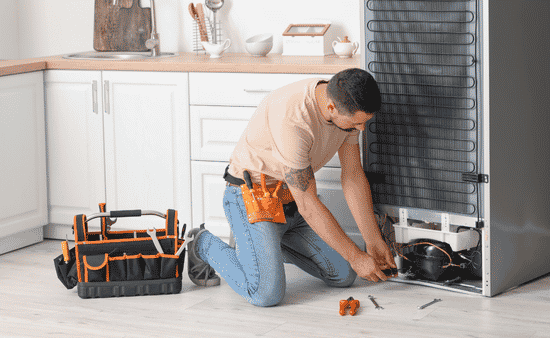
Tenants rely on landlords to address maintenance concerns within a reasonable timeframe. Delayed repairs can result in additional property damage, increased repair costs, and tenant dissatisfaction. Responding quickly to maintenance requests helps preserve both the condition of the property and the landlord-tenant relationship.
Routine maintenance should include servicing heating and cooling equipment, inspecting plumbing fixtures, checking roofing and gutters, maintaining landscaping, and ensuring appliances function properly. Scheduling preventive maintenance often reduces the need for emergency repairs and extends the lifespan of building systems.
Landlords should also establish a clear process for tenants to report maintenance issues. Providing simple communication channels encourages tenants to report minor issues before they become larger problems.
Prepare for Emergency Situations
Unexpected issues such as burst pipes, electrical failures, or severe weather damage can occur at any time. Landlords should have a plan for responding to emergencies, including maintaining contact information for qualified repair professionals and communicating response procedures to tenants in advance.
Respect Tenant Rights and Privacy
A successful rental relationship depends on mutual respect. While landlords own the property, tenants have the right to enjoy their home without unnecessary interference. Property owners should understand when property access is appropriate and provide proper notice before entering whenever required by applicable laws.
Respecting tenant privacy builds trust and reduces unnecessary conflicts. Routine inspections, maintenance appointments, and property showings should be scheduled with reasonable notice whenever possible.
Clear communication also plays a major role in respecting tenant rights. Lease terms, maintenance responsibilities, payment expectations, and community guidelines should be explained thoroughly before occupancy begins. Written documentation helps prevent misunderstandings and provides clarity for both parties.
Owners seeking assistance with regulatory compliance and tenant communication often benefit from property management services in Littleton, CO, which can help streamline operations while maintaining professional standards throughout the leasing process.
Maintain Accurate Documentation
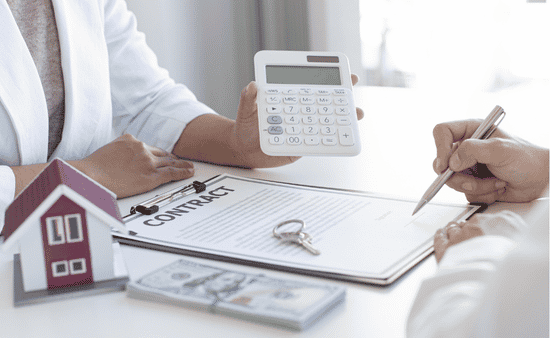
Good recordkeeping is one of the most valuable habits a landlord can develop. Organized documentation supports efficient property management and can become essential if disputes arise.
Important records include lease agreements, inspection reports, maintenance requests, repair invoices, communication logs, rent payment histories, security deposit documentation, and photographs of the property’s condition before and after occupancy. Maintaining complete records creates transparency and protects both landlords and tenants.
Conduct Detailed Move-In and Move-Out Inspections
Move-in inspections establish the property’s condition before occupancy begins. Walk through the property with the tenant, documenting any existing wear or damage on a signed checklist.
At the conclusion of the lease, perform another inspection using the original documentation for comparison. This process helps determine whether any damage exceeds normal wear and tear while supporting fair decisions regarding security deposits.
Understand Financial and Administrative Responsibilities
Owning rental property involves much more than collecting monthly rent. Landlords must budget for ongoing maintenance, insurance, taxes, routine improvements, and unexpected repairs. Proper financial planning allows owners to respond to issues without compromising the property’s condition.
Maintaining adequate reserve funds is especially important because unexpected expenses are inevitable. Water leaks, appliance failures, roofing repairs, or storm damage can occur without warning. Financial preparedness helps ensure repairs are completed promptly.
Administrative responsibilities also require consistent attention. Lease renewals, rent collection, maintenance scheduling, contractor coordination, recordkeeping, and legal compliance all require organized management throughout the tenancy. Developing reliable systems for these tasks improves efficiency and reduces administrative stress.
Stay Informed About Legal Requirements
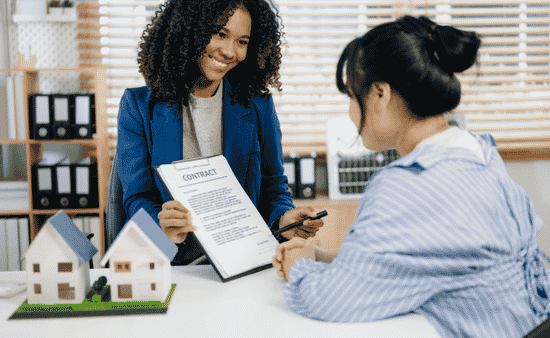
Rental housing regulations may change over time, making it important for landlords to stay informed about current requirements affecting property ownership and leasing practices. Remaining knowledgeable helps reduce legal risks while supporting positive tenant relationships.
Review lease agreements periodically to ensure they remain current and accurately reflect policies, responsibilities, and applicable regulations. Seeking professional guidance when necessary can help landlords navigate changing legal requirements with greater confidence.
Foster Positive Tenant Relationships
One of the most overlooked landlord responsibilities is maintaining open, respectful communication with tenants. Responsive communication encourages cooperation and often prevents minor concerns from escalating into larger disputes.
Respond professionally to maintenance requests, provide advance notice for inspections, and communicate clearly about repairs or scheduled work. Tenants appreciate transparency and are generally more likely to care for a property when they feel respected by the owner.
Building positive relationships also contributes to higher tenant retention. Long-term tenants reduce vacancy costs, minimize turnover expenses, and provide greater stability for rental income. By creating a positive rental experience, landlords can strengthen both tenant satisfaction and the long-term performance of their investment.
Conclusion
Understanding landlord responsibilities goes far beyond collecting rent each month. Providing safe housing, completing timely maintenance, respecting tenant rights, maintaining accurate records, and communicating effectively all contribute to successful property ownership.
By consistently meeting these responsibilities, landlords can protect their investment, encourage positive tenant relationships, and create a well-managed rental property that performs successfully for years to come.