
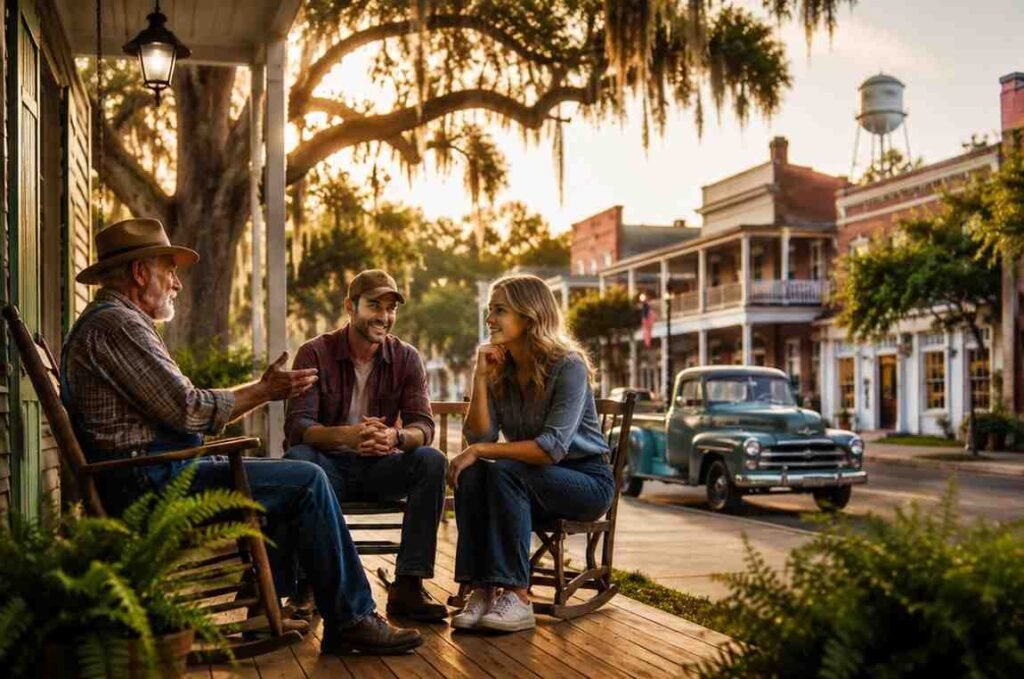
The funny thing about Southern phrases is that even people who have never lived in the South still use them constantly. Words like “y’all,” “fixin’ to,” or “bless your heart” show up in TikTok captions, group chats, country songs, sitcoms, and everyday conversations without most people even realizing where they came from. Some expressions spread so naturally through pop culture that they stopped feeling regional altogether.
What makes Southern language so interesting is that it never evolved in a clean or predictable way. It grew through migration, storytelling, cultural mixing, humor, and community traditions passed down over generations. Southern speech carries warmth, rhythm, sarcasm, politeness, and emotional nuance all at once. That mix is exactly why these expressions continue surviving while so many other regional phrases disappear over time.
Why Southern Phrases Feel So Distinctive?

Southern expressions tend to feel more personal and conversational than standard American English. Many phrases sound less like formal language and more like someone telling a story on a front porch, inside a diner, or during a long family conversation.
Part of that comes from the South’s strong oral storytelling traditions. Before digital entertainment shaped communication habits, people relied heavily on spoken conversation for humor, local news, and social connections. That environment encouraged vivid metaphors, dramatic phrasing, and memorable sayings that could easily stick across generations.
The Southern language also developed around hospitality culture. Conversations often prioritize warmth, politeness, and indirect communication instead of bluntness. That subtle style created phrases layered with multiple meanings depending on tone and context.
“Bless your heart” is probably the most famous example of this. It can express genuine sympathy, affection, or quiet criticism depending entirely on how it is delivered.
The Historical Roots Behind Southern Speech
Southern dialects developed from a combination of linguistic influences stretching back centuries. Early settlers from England, Scotland, and Ireland brought regional expressions, accents, and speech patterns that blended into local American English over time.
Many well-known Southern phrases actually trace back to older British expressions. Words like “reckon” and phrases like “over yonder” existed long before modern Southern slang became recognizable.
Scots-Irish migration also heavily influenced Southern speech rhythms, storytelling styles, and conversational patterns. Linguists studying regional American dialects often connect Southern drawls and phrase structures to those early settlement patterns.
At the same time, African American Vernacular English played a massive role in shaping Southern language evolution. Because of deep historical and cultural roots throughout the South, many expressions, speech patterns, and conversational styles developed through generations of Black linguistic influence.
Over time, many of those phrases spread far beyond regional communities and entered mainstream entertainment, music, internet culture, and global slang.
Why “Y’all” Became So Popular
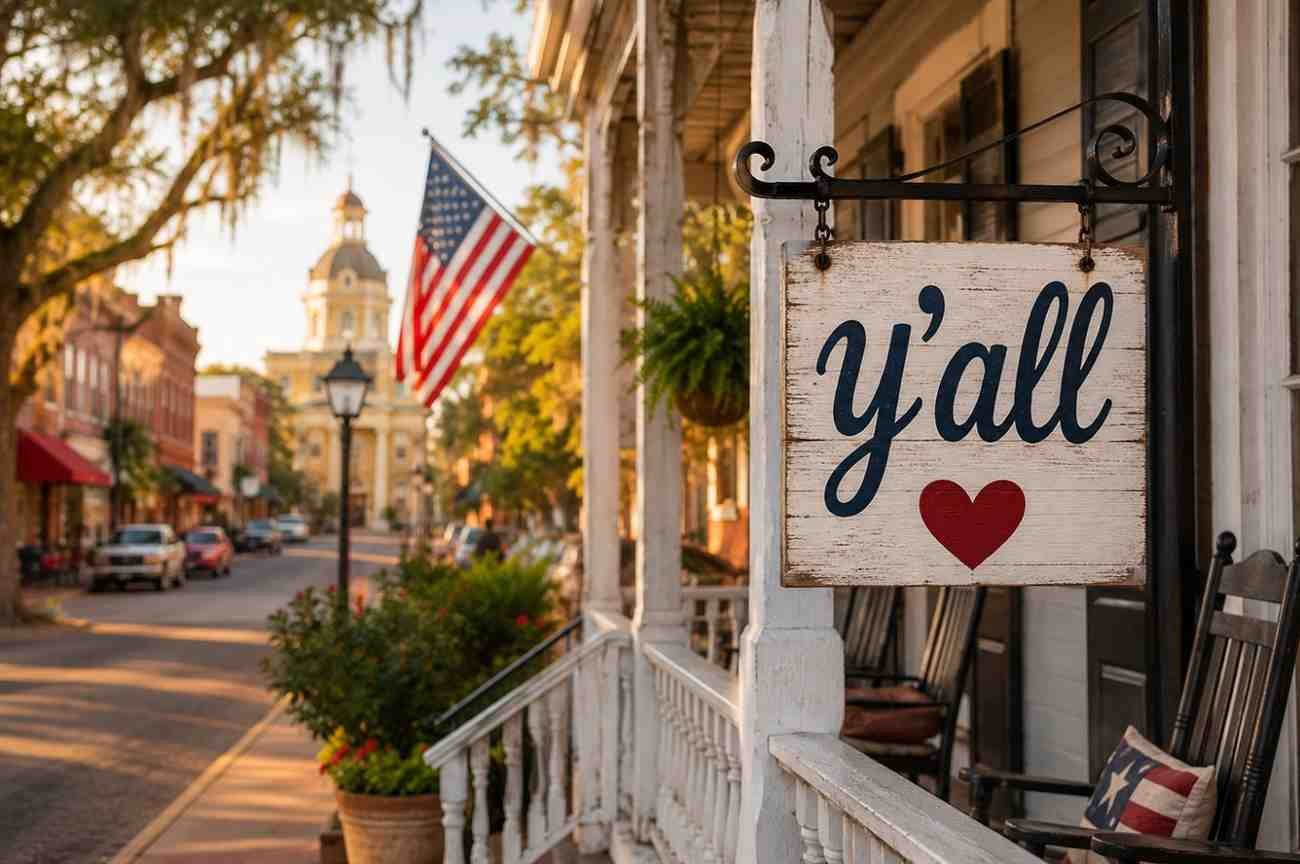
Few regional expressions have spread as successfully as “y’all.”
Part of its popularity comes from how useful it actually is. Standard English oddly lacks a natural plural version of “you,” and “y’all” solves that problem effortlessly. It feels inclusive, conversational, and efficient at the same time.
That practicality helped it expand far beyond Southern states.
Now “y’all” appears everywhere:
- social media captions
- podcasts
- marketing campaigns
- celebrity interviews
- text conversations
- internet memes
Even brands and influencers regularly use it because it sounds approachable instead of corporate.
The rise of digital culture also accelerated this shift. Social platforms reward language that feels casual, memorable, and emotionally warm. Southern phrases naturally fit that environment, which explains why many trendy local sayings now spread nationally within weeks instead of staying regional for decades.
Southern Metaphors Added Personality to Everyday Speech
One reason Southern sayings remain memorable is their imagery. Many expressions sound dramatic, humorous, or oddly specific in ways standard language rarely does.
Phrases like:
- “cattywampus”
- “madder than a wet hen”
- “happy as a clam.”
- “full as a tick.”
reflect the agricultural history and rural environments that shaped Southern communities for generations.
Animals, weather, farming tools, and nature often became reference points for describing emotions, behavior, or daily situations. These metaphors made conversations feel more colorful and emotionally expressive.
That storytelling instinct still survives online today. Viral slang and internet humor often rely on exaggeration, visual imagery, and personality-driven phrasing in very similar ways.
Social Media Helped Southern Slang Spread Faster

Southern phrases no longer depend on geography to survive. Social media dramatically changed how regional language evolves and spread.
Platforms like TikTok, Instagram, and YouTube turned regional expressions into entertainment content. A phrase once limited to small-town conversations can now become part of the internet vocabulary almost overnight.
Country music, Southern comedy creators, lifestyle influencers, and meme culture all helped accelerate this visibility.
Some phrases survive because they feel funny. Others survive because they communicate emotion more effectively than formal language.
“Fixin’ to” is a good example. Technically, it just means someone is preparing to do something. But conversationally, it also creates flexibility and softness. It feels less rigid than saying, “I’m about to do this right now.”
That emotional nuance is part of why Southern expressions continue adapting so well to modern communication styles.
Southern Speech Balances Warmth and Wit
One thing that separates Southern language from many other regional dialects is its ability to sound both polite and sharp at the same time.
Southern conversations often avoid direct confrontation while still communicating clear opinions underneath the surface. That layered communication style helped many phrases survive because they remain socially useful.
A single expression can:
- soften criticism
- create humor
- show affection
- avoid awkwardness
- maintain politeness
That balance makes Southern phrases highly adaptable across generations.
Even younger audiences using Southern slang online often connect with the emotional tone more than the historical background. The phrases feel expressive, human, and conversational in ways that overly polished language usually does not.
FAQs: How Southern Phrases Evolved and Still Shape Modern Conversations
1. Why do Southern phrases sound so different from standard English?
Southern phrases developed through centuries of cultural mixing, migration, storytelling traditions, and regional dialect evolution influenced by British, Scots-Irish, and African American speech patterns.
2. What does “fixin’ to” actually mean?
“Fixin’ to” means someone is preparing or getting ready to do something. It is one of the most recognizable Southern conversational expressions.
3. Why has “y’all” become so popular outside the South?
“Y’all” spread because it feels inclusive, casual, and useful as a plural form of “you,” especially in social media and conversational communication.
4. Are Southern phrases still evolving today?
Yes. Social media, internet culture, music, and digital communication continue to reshape Southern slang and introduce regional phrases to younger audiences worldwide.
The Best Southern Phrases Usually Feel Like Stories
Southern expressions survived because they do more than communicate information. They create personality, rhythm, humor, and emotional connection inside ordinary conversations. Even simple phrases often carry history, tone, and social meaning underneath the words themselves.
That’s probably why Southern speech continues to influence modern language so heavily. In a world filled with fast digital communication, people still gravitate toward expressions that sound human, memorable, and full of character.