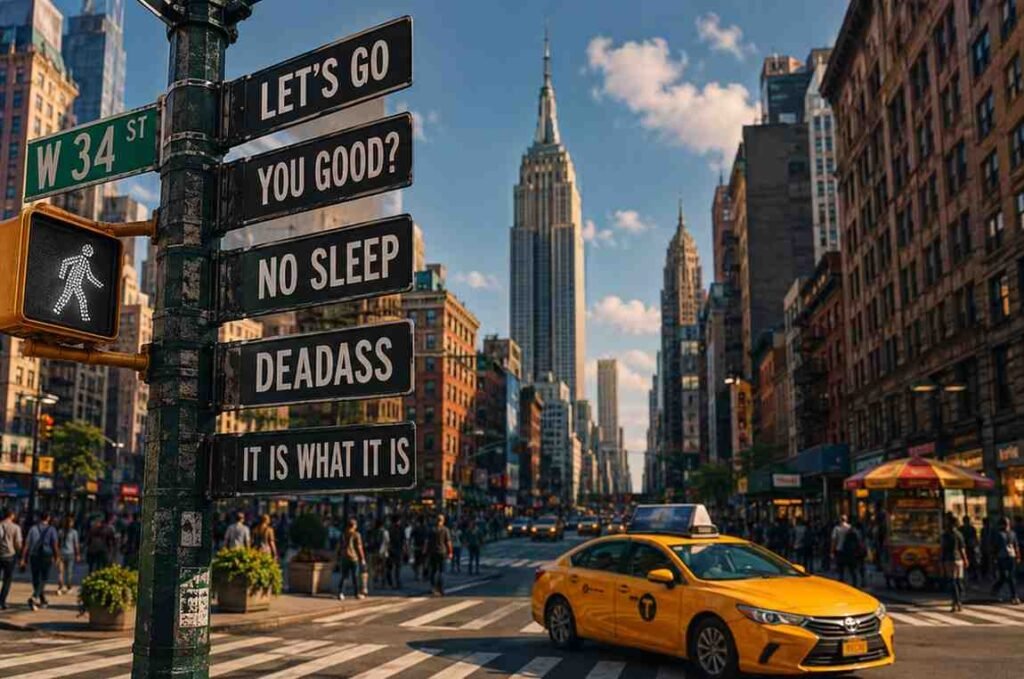
The first time you spend a full week in New York, you realize people there talk differently, even during the smallest interactions. Someone yells “yerrr” across the street, another person says it’s “mad brick” outside, and suddenly you’re standing “on line” at a bagel shop, wondering why nobody says “in line.” The language moves as fast as the sidewalks do.
What makes New York street phrases interesting is that they are not just slang words thrown around for style. They come from daily survival, crowded trains, corner stores, hip-hop culture, immigrant neighborhoods, and generations of people living inches away from each other. A lot of these phrases sound harsh or aggressive at first, but locals use them casually. Once you hear them enough, they start making perfect sense.
Why New York Slang Feels So Different
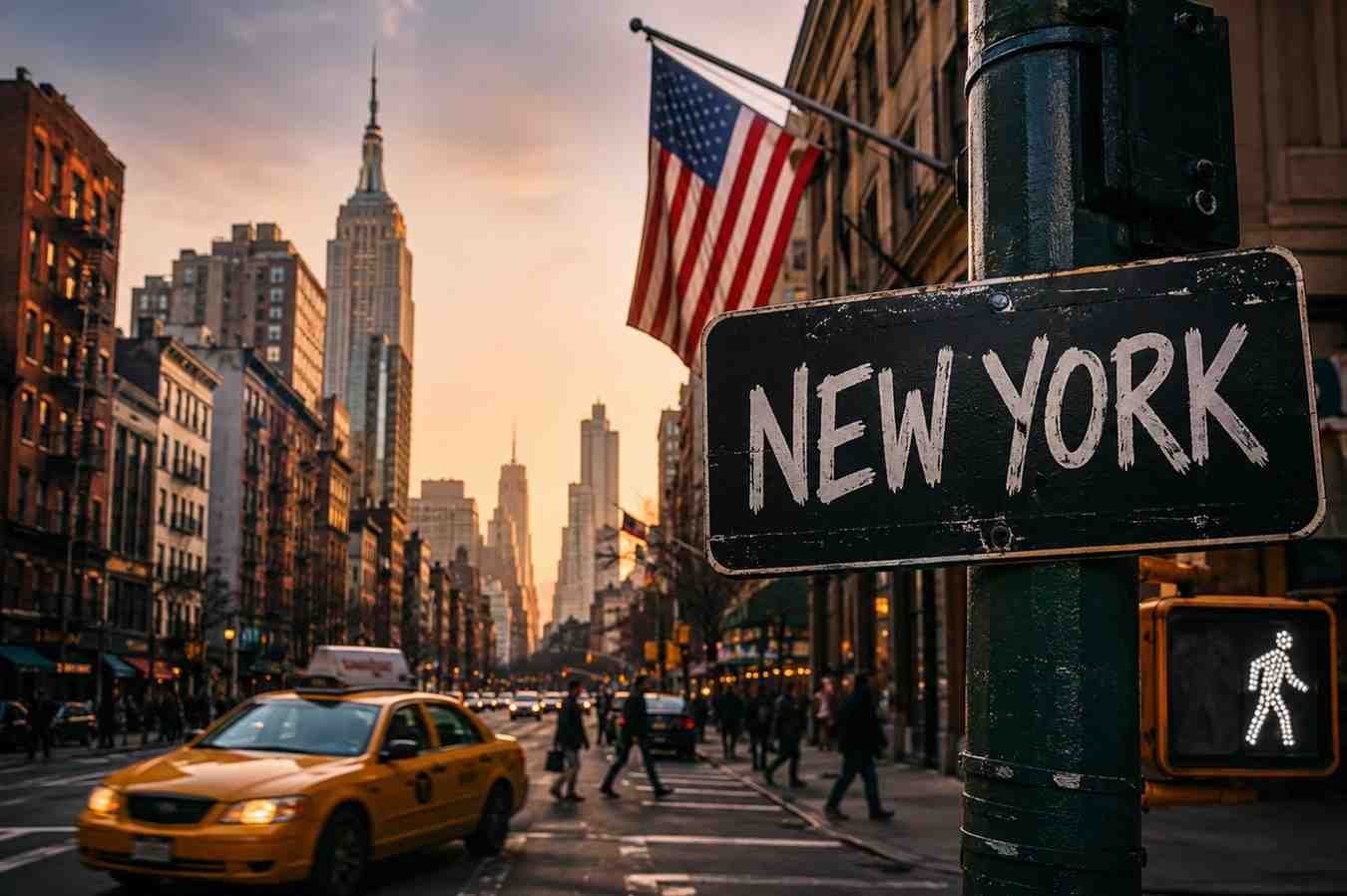
New York slang has always been direct. The city moves quickly, so conversations do too. People shorten words, skip unnecessary details, and say exactly what they mean. That rhythm shaped some of the most recognizable NYC slang words heard across music, movies, TikTok clips, and street interviews.
Unlike many regional sayings that stay local, New York expressions spread everywhere because of entertainment and internet culture. Hip-hop especially pushed borough slang into mainstream conversations. Terms that once stayed inside neighborhoods now show up in group chats worldwide.
Still, many phrases only fully make sense when tied to city life itself.
The Everyday Phrases You Hear Constantly
Some New York street phrases are so common that locals barely notice them anymore.
“On Line”
This one immediately exposes outsiders. New Yorkers stand “on line,” not “in line.” Whether it’s a deli, subway kiosk, or pizza spot, that wording feels completely natural to locals.
People from other places argue about it constantly online, but in the city, nobody even thinks twice.
“The City”
Even though there are five boroughs, “The City” usually means Manhattan specifically. Someone living in Queens or Brooklyn might casually say they’re “going into the city tonight.”
It sounds confusing until you hear it enough times.
“Brick”
If somebody says, “It’s brick outside,” prepare for painfully cold weather. Not a regular winter cold either. The kind where your face hurts after two minutes outside the subway station.
This phrase exploded online in recent years, but it has existed in New York street slang for decades.
“Mad”
In New York lingo, “mad” works as an intensifier.
- Mad crowded
- Mad funny
- Mad annoying
- Mad expensive
It basically replaces “very” in conversation. The phrase sounds aggressive to outsiders, but locals use it naturally in everyday speech.
Bodega Culture Created Its Own Vocabulary
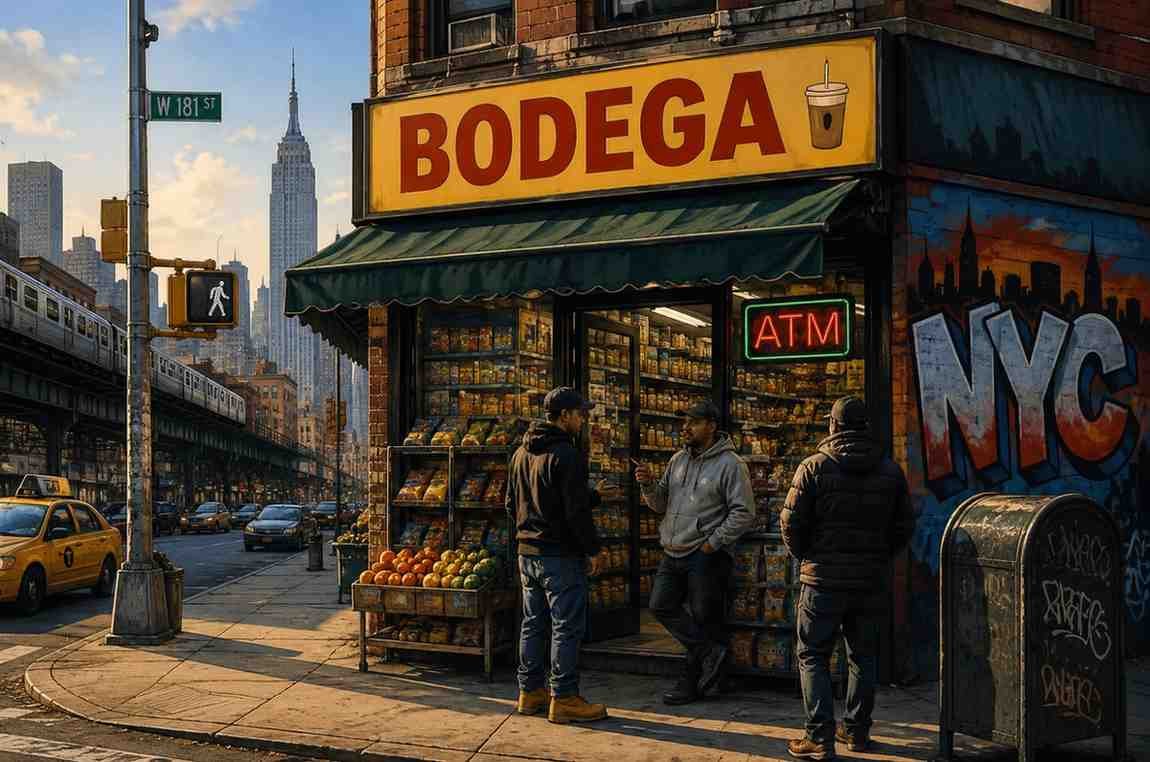
Few places shape local language like the neighborhood bodega. These small corner stores are part convenience store, part community hub, and part emergency survival system.
You grab snacks there at midnight, order coffee before work, and sometimes have entire conversations with the cashier without realizing it.
That culture created several classic New York sayings and habits.
“Regular Coffee”
Ordering a “regular coffee” does not mean black coffee. It means coffee with milk and sugar already added. Tourists learn this lesson fast.
“Hero”
Outside the Northeast, people might say sub, hoagie, or sandwich. In New York, it’s often called a hero.
And yes, locals will absolutely judge a sandwich spot based on bread quality alone.
“Pie”
Nobody says “whole pizza” much. They ordered a pie.
It feels small linguistically, but it reflects how deeply pizza is built into everyday city routines. People discuss slice spots the same way sports fans debate teams.
The Social Rules Hidden Inside NYC Slang
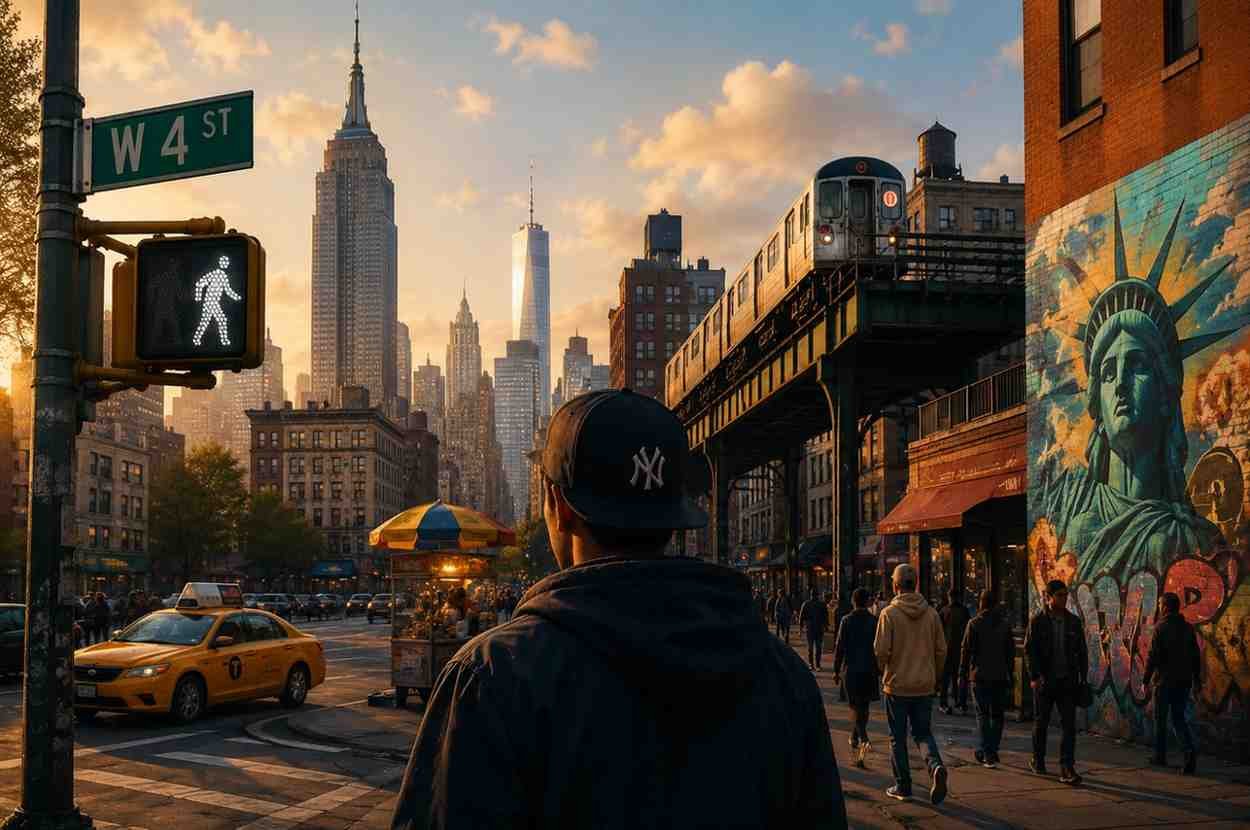
A lot of New York street phrases reveal how people interact socially. The city forces quick communication. Nobody has time for vague language.
That is why phrases tend to sound blunt, confident, and emotionally direct.
“Deadass”
Probably one of the most recognizable modern NYC slang words.
“Deadass” means somebody is being completely serious. It can emphasize honesty, disbelief, or frustration depending on tone.
Examples:
- “Deadass, that train took 40 minutes.”
- “You deadass right now?”
- “I’m deadass hungry.”
The word became huge online because it perfectly captures New York conversational energy.
“Fuggedaboutit”
This phrase carries multiple meanings depending on context:
- Forget it
- Don’t worry about it
- That’s impossible
- That’s incredible
Classic New York phrases often work this way. Tone matters as much as the actual words.
“Real Talk”
When somebody says “real talk,” they are signaling seriousness. It usually means the conversation is about to become honest very quickly.
New Yorkers appreciate directness. Sugarcoating things rarely survives long in crowded environments where everybody is in a rush.
How Hip-Hop And Internet Culture Changed New York Slang
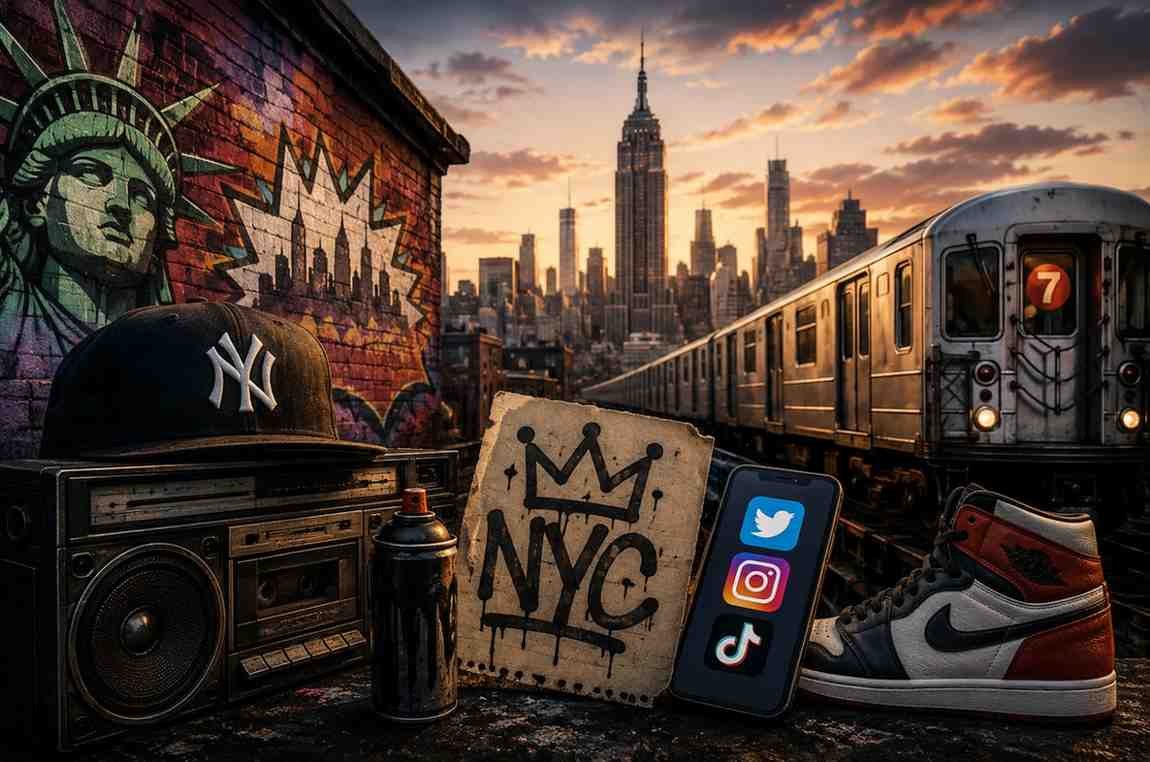
Many phrases once limited to neighborhoods in Brooklyn, Harlem, the Bronx, or Queens now travel globally through music and social media.
Artists, streamers, YouTubers, and TikTok creators constantly spread New York expressions beyond the boroughs. Terms like “bet,” “yerrr,” and “don’t sleep” became internet language because they sound energetic and memorable.
But the roots still come from real communities.
That cultural influence is part of why New York slang evolves faster than many regional dialects. New phrases appear constantly while older expressions stay alive through older generations, local families, and neighborhood culture.
Some of that overlap feels similar to funny American sayings, where phrases also carry identity, rhythm, and local pride across generations.
Why These Phrases Actually Reflect City Life
The interesting thing about New York street slang is how practical it feels. These phrases were shaped by crowded sidewalks, tiny apartments, loud trains, and nonstop interaction with strangers.
People talk quickly because they move quickly.
Even humor works differently there. Sarcasm, exaggeration, and blunt honesty become coping mechanisms when you spend hours around noise, delays, traffic, and packed public spaces every day.
That is why many common New York phrases sound intense to outsiders while feeling normal to locals.
The slang mirrors the environment:
- Fast
- Direct
- Funny
- Slightly aggressive
- Emotionally honest
- Efficient
And somehow, all of it works together.
FAQs: New York Street Phrases That Perfectly Capture City Life
1. Why do New Yorkers say “on line” instead of “in line”?
It comes from regional speech patterns that developed locally over generations. In New York, “on line” simply sounds natural to residents, especially in daily conversations.
2. What does “brick” mean in New York slang?
“Brick” describes extremely cold weather. If somebody says it’s brick outside, they mean the cold feels sharp and brutal.
3. Is “deadass” considered rude?
Not usually. It is mostly used to emphasize seriousness or honesty. Tone matters a lot when using it in conversation.
4. Why has New York slang become so popular online?
Hip-hop, movies, streaming culture, and social media helped spread NYC street slang globally. Many phrases are catchy, expressive, and easy to reuse online.
Final Thoughts
New York street phrases are more than internet slang or trendy vocabulary. They reflect survival instincts, neighborhood culture, immigrant influence, music history, and the fast rhythm of city life itself. Every phrase carries some level of attitude because the environment shapes people to communicate quickly and clearly. Even simple words like “brick” or “deadass” instantly paint a picture of how locals experience everyday situations.
And honestly, once you hear these phrases enough, regular conversations start sounding a little slower without them.