
Gaming can feel confusing when players start throwing around words like “GG,” “AFK,” “OP,” “sweaty,” and “rage quit” in the middle of a match. I have seen how quickly these phrases move from online games into real-life conversations, especially among players in the USA. That is why understanding gaming slang terms matters.
These words help explain wins, losses, skill, mistakes, jokes, and player behavior in a fast, simple way. Once you know the meaning behind them, Twitch chats, Discord servers, esports clips, and multiplayer lobbies become much easier to follow.
What Does Gaming Slang Mean in the USA?
Gaming slang is the shortcut language players use to communicate fast during a match. In the USA, it blends classic arcade culture, console gaming, PC multiplayer terms, esports commentary, Twitch reactions, Discord chat, and Gen Z internet humor.
Some words describe sportsmanship, like GG and GLHF. Some explain behavior, like camping, feeding, choking, and rage quitting. Others describe updates, mechanics, or player types, such as nerf, buff, OP, whale, noob, and OG.
The reason these words spread so quickly is simple. Games move fast, and players need quick ways to react. A full sentence takes too long when your squad is getting third-partied or your teammate just pulled off a clutch play.
Sportsmanship and Chat Acronyms Every Player Sees
What Does GG Mean in Gaming?
GG means “good game.” Players usually type it at the end of a match to show respect. It is one of the most common gamer phrases in American online gaming.
GG EZ means “good game, easy.” Unlike GG, this phrase is usually sarcastic. Players use it to mock the losing team, so it can come across as rude or toxic.
GLHF means “good luck, have fun.” I like this one because it keeps the match friendly before competition starts. You may see it in PC games, esports lobbies, and ranked matches.
AFK means “away from keyboard.” A player says this when they step away from the game. Console players also use it even though they may not be using a keyboard.
BRB means “be right back.” It tells teammates that a player will return shortly.
F means “pay respects.” It comes from a Call of Duty scene and now appears when players react to a fail, loss, or embarrassing moment. If someone falls off the map, chat may simply type “F.”
Player Behavior and Performance Slang
What Does Carrying Mean in Gaming?
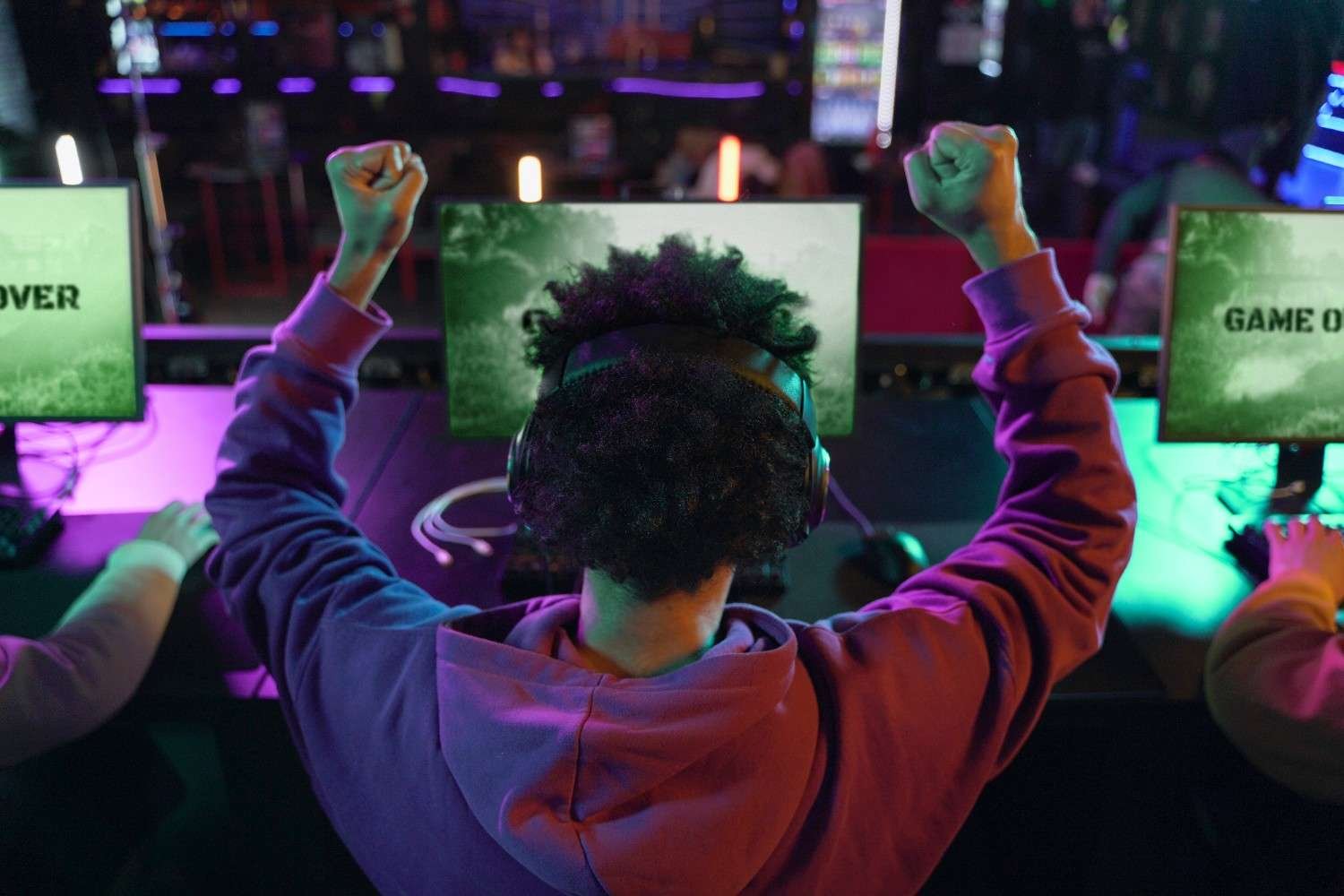
Carrying means one skilled player helps a weaker team win. If your teammate drops most of the kills or saves the squad, you might say, “You carried us.”
Feeding means repeatedly dying in a way that helps the enemy team. This term appears often in MOBAs, shooters, and team-based games because each death can give the other side an advantage.
Clutch means winning or making a huge play under pressure. If one player wins a round alone against three enemies, that is a clutch moment.
Choking means failing when victory is close. A team may dominate most of a match but choke in the final round.
Camping means staying hidden in one place to ambush opponents. Some players call it strategy. Others call it annoying.
Rage quitting means leaving a match because of anger. In ranked games, rage quitting can hurt the whole team and may lead to penalties.
Throwing means making bad choices that cost your team the game. Sometimes it is accidental. Sometimes players accuse someone of throwing when they believe that person is not trying.
Player Types: Noob, Sweat, Whale, NPC, and OG
What Does Noob Mean?
Noob means a new or inexperienced player. It can sound playful among friends, but it can also become an insult when used aggressively.
Sweat or tryhard describes someone who plays with extreme intensity, even in casual matches. In the USA, players often say “this lobby is sweaty” when every opponent seems highly competitive.
NPC means “non-player character.” In games, it describes a character controlled by the game, not a real person. In everyday American slang, people sometimes use NPC (A non-player character) to describe someone who acts predictable or follows trends without much original thought.
Whale means a player who spends a large amount of real money on in-game purchases, skins, loot boxes, upgrades, or microtransactions. This term is common in mobile games and free-to-play games.
OG means “original gangster,” but in gaming it usually means a veteran player, early supporter, or rare item from the original days of a game. An “OG skin” in Fortnite, for example, may refer to a cosmetic from an early season.
Game Mechanics and Combat Terms
What Does OP Mean in Gaming?
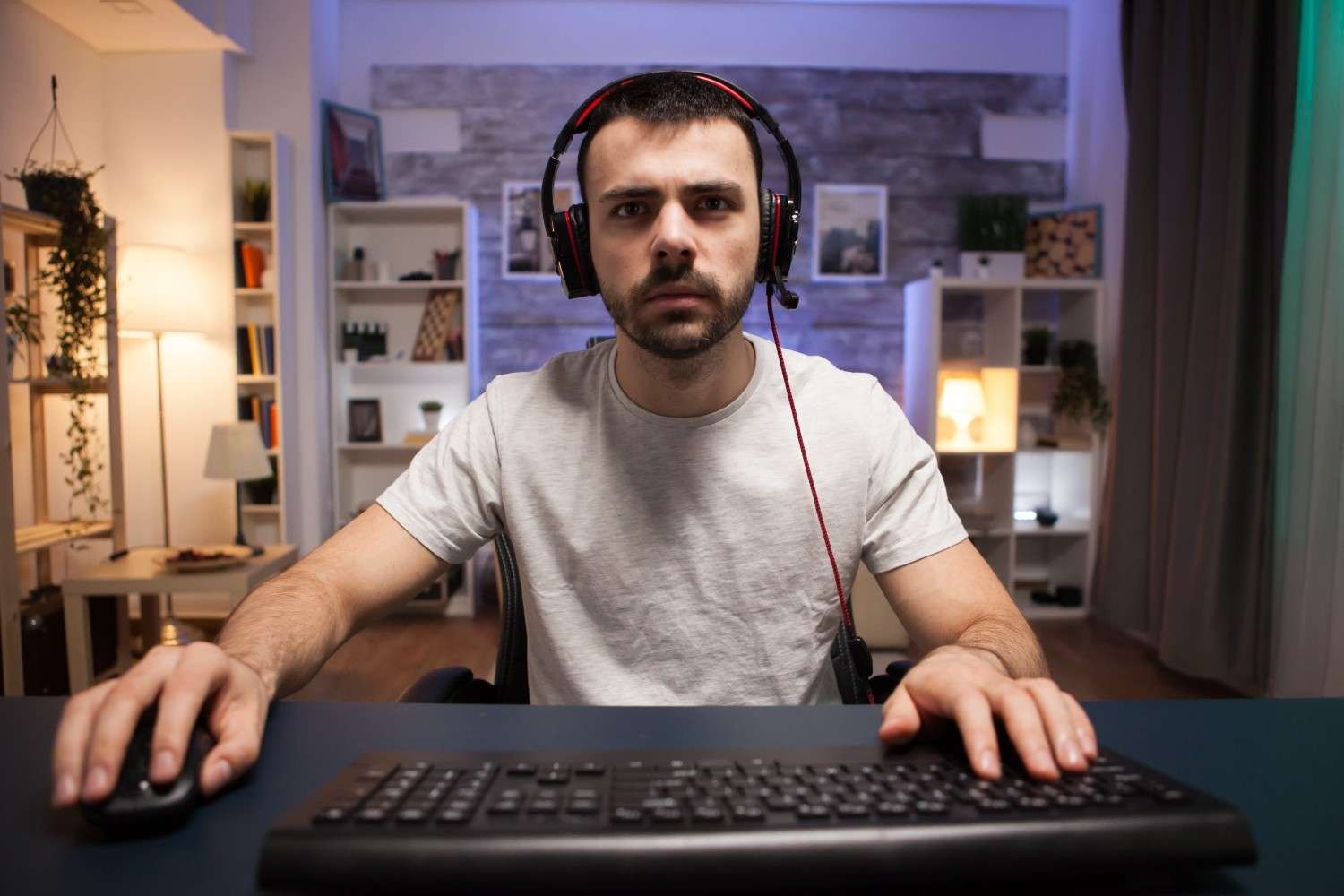
OP means “overpowered.” Players use it when a weapon, character, ability, or strategy feels unfairly strong.
Nerf means developers made something weaker to balance gameplay. If a gun dominates every match, players may ask the developer to nerf it.
Buff means the opposite. It means developers made something stronger. A buff can apply to a weapon, character, ability, or temporary in-game power boost.
One-tap or one-shot means an enemy has very low health or can be eliminated with one hit. In shooters, a one-tap can also mean landing a clean single-shot kill.
Aggro means enemy attention. In RPGs (Role Playing Game) and MMOs, a tank may pull aggro so enemies attack them instead of weaker teammates.
Hitscan describes a weapon system where shots hit instantly when fired. Unlike projectile weapons, hitscan shots do not require players to account for bullet travel time or drop.
Cooldown means the waiting time before a player can use an ability again. Loot means items, gear, weapons, or rewards collected in a game. XP means experience points, and HP means health points.
FPS, Battle Royale, and Multiplayer Slang
What Does Third-Party Mean in Gaming?
Third-party means another team joins a fight already in progress. In battle royale games like Fortnite, Apex Legends, and Warzone, getting third-partied can quickly ruin a strong position.
Cracked can mean two things. It may describe a highly skilled player, or it may mean an enemy’s shield has been broken.
Meta means the most effective strategy, character, weapon, or playstyle at the moment. The meta changes after patches, balance updates, and pro-player trends.
Tilted means frustrated in a way that hurts performance. A tilted player often makes emotional decisions instead of smart ones.
Skill issue is a phrase gamers use when they believe someone lost because of poor skill. It is often a joke, but it can sound harsh.
Hype, Streaming, and Esports Slang
What Does Pog Mean?
Pog and Poggers express excitement after an amazing play. You will see these terms in Twitch chat, esports streams, and gaming meme culture.
GigaChad describes an extremely confident, dominant, or honorable player. It is usually humorous and exaggerated.
W means win, and L means loss. If a streamer makes a smart move, chat may say “common W.” If a game update disappoints players, they may call it a “massive L.”
Backseat gaming means telling someone how to play while watching them. Streamers often dislike backseat gaming unless they ask for help.
Clipped means someone recorded a short highlight from a stream. If a player makes a wild mistake or incredible play, viewers may say, “Clip that.”
Gaming Slang Parents in the USA Should Know
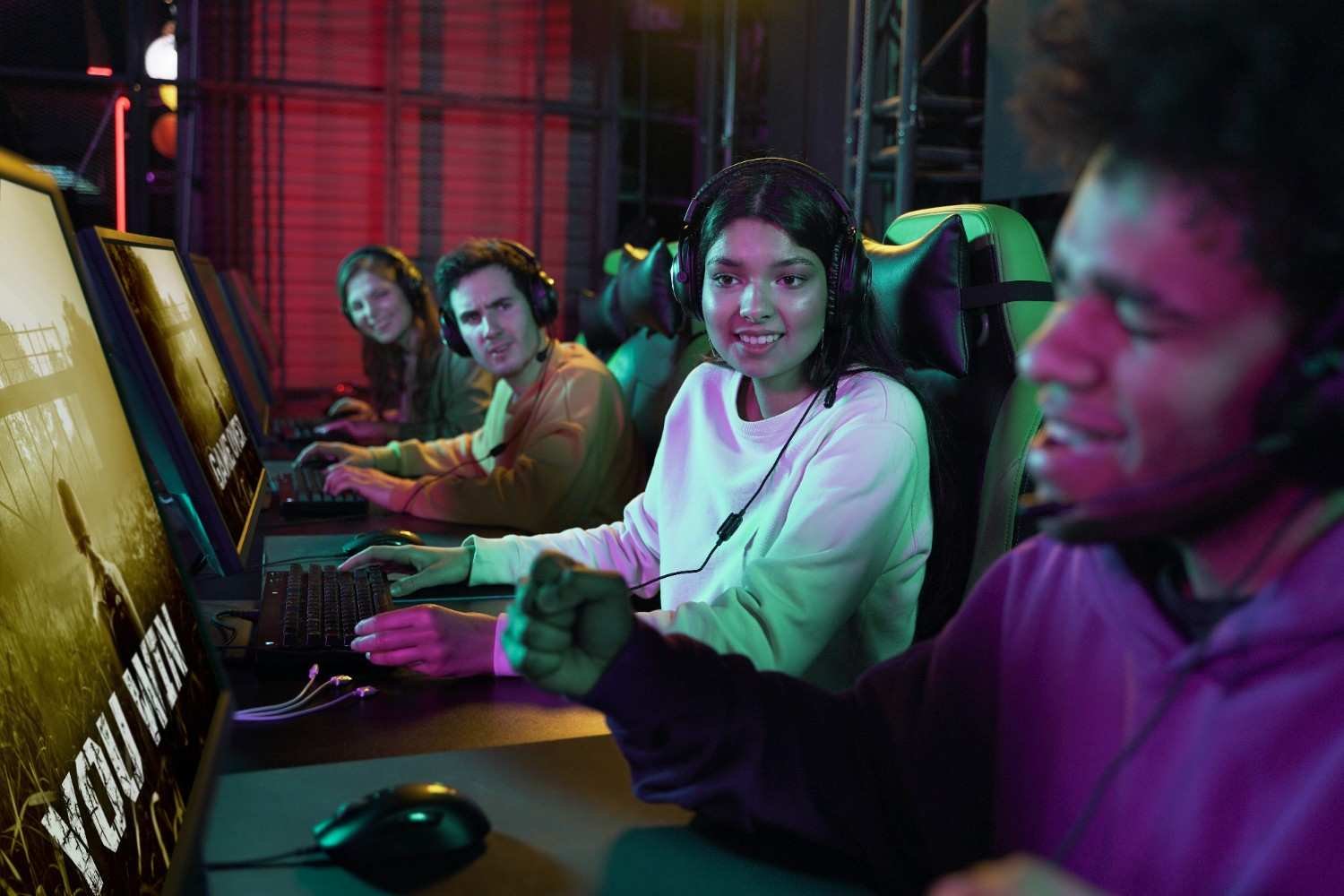
Parents do not need to memorize every gamer word, but a few terms can help them understand online behavior. GG, AFK, BRB, XP, HP, loot, and quest are normal gameplay terms.
Words like toxic, griefing, trash talk, report, rage quit, and GG EZ deserve more attention. Toxic means rude or harmful behavior. Griefing means intentionally ruining the game for others. Trash talk can be playful, but it can also cross the line into bullying.
I would not panic every time a child uses gaming slang. Instead, I would use these words as conversation starters. Ask what happened in the match, who they were playing with, and whether the chat felt fun or stressful.
Modern Gamer Words Used in Real Life
Many gamer words now appear outside actual games. People say “side quest” when they get distracted by a random errand. They say “low HP” when they feel tired. They use “lore” to describe someone’s backstory or personal drama.
That crossover matters because American gaming culture now shapes how young people joke, react, and talk online. Understanding these phrases helps parents, beginners, teachers, and casual players follow the conversation without feeling out of the loop.
FAQs About Gamer Slang
1. What is the most common gamer slang?
The most common gamer slang includes GG, AFK, OP, noob, nerf, buff, lag, ping, XP, HP, loot, clutch, camping, sweaty, toxic, meta, W, L, and rage quit.
2. What does GG EZ mean?
GG EZ means “good game, easy.” Players usually use it as a taunt after winning. It can sound disrespectful, especially in competitive matches.
3. What does sweaty mean in gaming?
Sweaty means a player is trying very hard to win. It often describes someone who treats a casual match like a tournament.
4. What does whale mean in games?
A whale is a player who spends a large amount of real-world money on in-game purchases, cosmetics, upgrades, or microtransactions.
Final Takeaway
The easiest way to understand gaming language is to learn it by category. Start with chat acronyms like GG, AFK, and BRB. Then move into performance words like clutch, carrying, choking, and feeding. After that, learn mechanics like OP, nerf, buff, aggro, hitscan, XP, and HP.
Once you know these gaming slang terms, American gaming chats, livestreams, esports clips, and Discord conversations become much easier to follow. Understanding the Discord slang meaning behind common gamer words also helps you read the attitude, humor, or frustration behind each message.
More importantly, you can understand not only what players say, but also what they really mean behind the words.