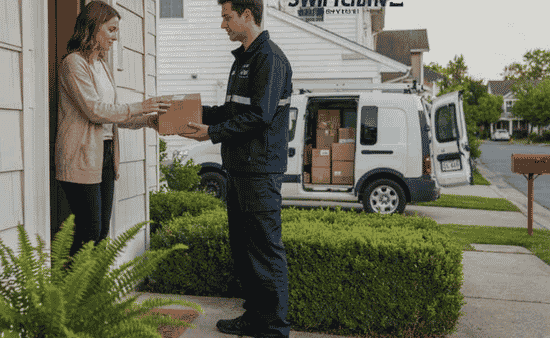
In the rapidly evolving logistics and e-commerce industries, last mile delivery has become a critical component of the supply chain. It refers to the final step of the delivery process where a product reaches the consumer’s doorstep. This stage is significant because it directly impacts customer satisfaction and the overall efficiency of the delivery system.
Definition and Importance of Last Mile Delivery
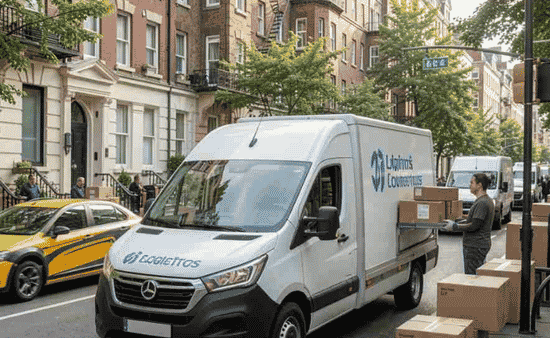
Last mile delivery is the segment of the shipping process that covers the distance between the distribution hub and the final destination. Unlike earlier stages that involve bulk transportation, last mile delivery deals with smaller, individual parcel deliveries. It is vital as it represents the most direct interaction between the retailer or delivery company and the customer.
The importance of last mile delivery lies in its role in shaping the customer experience. A timely and accurate delivery can enhance customer loyalty, whereas delays or errors can result in dissatisfaction and negative reviews. Consequently, businesses are increasingly focusing on optimising this stage to remain competitive.
Challenges Associated with Last Mile Delivery
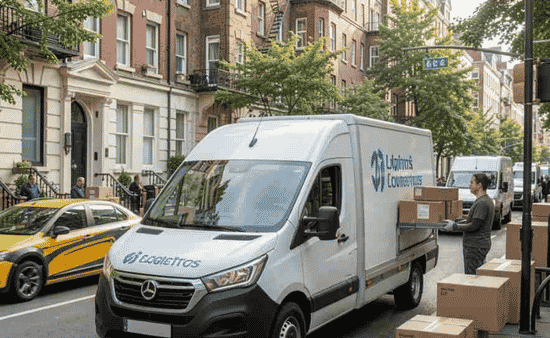
Despite its significance, last mile delivery poses numerous challenges. Urban congestion, high delivery costs, unpredictability of consumer availability, and the need for sustainable practices all contribute to its complexity. Furthermore, the rise in online shopping has intensified delivery demands, adding pressure on logistics providers to maintain efficiency.
One of the main obstacles is traffic congestion in cities, leading to delays. Additionally, the geographical dispersion of delivery points makes route optimisation difficult. The variability in parcel sizes, fragile items, and the necessity for secure handovers further complicate operations.
Cost Implications of Last Mile Delivery
Last mile delivery represents the most expensive part of the shipping journey, accounting for a considerable portion of total logistics costs. Factors such as fuel, labour, and vehicle maintenance contribute to these expenses. Addressing these costs without compromising quality is a considerable challenge for companies.
Optimising delivery routes, consolidating shipments, and leveraging technology for real-time tracking are among measures taken to reduce expenses. Still, the balance between cost efficiency and customer satisfaction remains delicate.
Technological Innovations Transforming Last Mile Delivery
The incorporation of advanced technologies is revolutionising last mile delivery. Automated route planning software utilises algorithms to determine the most efficient paths, thus reducing travel time and fuel consumption. Additionally, mobile applications enable real-time communication between couriers and customers.
Emerging technologies such as drones and autonomous vehicles are poised to further enhance delivery effectiveness. These innovations promise faster deliveries with fewer environmental impacts, although regulatory and technical barriers remain to be addressed.
Role of Delivery Models and Strategies
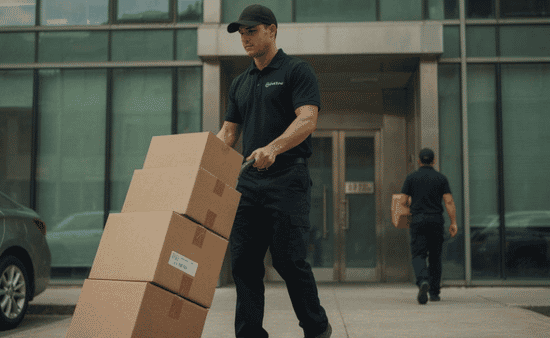
Diverse delivery models have been developed to tackle last mile challenges. Locker systems, for example, allow customers to collect parcels at convenient locations, reducing failed deliveries. Similarly, click-and-collect services integrate physical stores as pickup points, merging online and offline retail.
Carrier partnerships and crowdshipping, which utilise local individuals for deliveries, are other strategies gaining traction. These approaches offer flexibility and can adapt to fluctuating demand levels.
Environmental Considerations in Last Mile Delivery
As sustainability becomes a priority, last mile delivery faces scrutiny for its environmental footprint. The frequent use of vehicles for numerous short trips contributes significantly to emissions and urban pollution.
To mitigate these effects, companies are exploring electric vehicles, cargo bikes, and optimised delivery schedules that minimise journeys during peak hours. This not only supports environmental goals but also aligns with growing consumer preferences for eco-friendly services.
The Impact of Customer Expectations
Customer expectations around delivery times continue to evolve. Same-day and next-day deliveries are increasingly becoming standard for many consumers. Consequently, logistics providers are under pressure to offer flexible and speedy services while maintaining reliability.
Transparency in tracking and proactive communication with customers have become essential. Providing accurate delivery windows and options for rescheduling enhances the overall service experience.
Future Trends in Last Mile Delivery
The future of last mile delivery is expected to be shaped by further integration of technology and changing consumer behaviours. Predictive analytics and artificial intelligence will enable more precise demand forecasting and proactive resource allocation.
Additionally, urban logistics hubs may become more prominent, serving as micro-distribution centres that facilitate quicker local deliveries. Regulatory developments and infrastructure investments will also play a significant role in enabling innovative delivery methods.
Conclusion
Understanding the essentials of last mile delivery is key for businesses seeking to optimise their supply chains and improve customer satisfaction. Despite numerous challenges, advances in technology and evolving strategies offer promising solutions to enhance efficiency and reduce costs.
As consumer demands continue to shift towards faster and more convenient delivery options, logistics providers must remain agile and innovative. Emphasising sustainability and leveraging data-driven approaches will be critical in navigating the complexities of last mile delivery and securing long-term success.