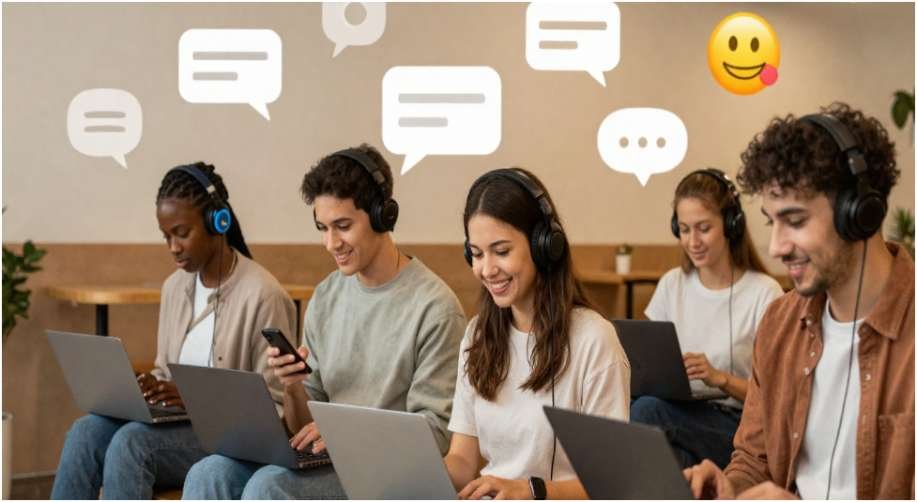
If a Discord chat looks like a wall of random letters, jokes, and attitude, you are not alone. I have watched simple conversations turn confusing because one small term changed the whole meaning. That is why understanding discord slang meanings helps you read the room faster, especially in servers where people type quickly.
Discord is not just a messaging app. It combines text channels, voice calls, private messages, gaming communities, school groups, fandom spaces, and creator servers. Discord’s own safety and community resources focus heavily on rules, reporting, and healthier server behavior, which makes slang context even more important.
Why Discord Slang Feels Confusing at First
The hard part is not the words themselves. The hard part is tone. A term can be harmless in one server and rude in another.
For example, “W” can mean support. “L” can be a joke or an insult. “Touch grass” can sound playful between friends, but harsh during an argument. This is why I never read Discord slang as isolated words. I look at who said it, where they said it, and what happened before.
For parents, teachers, and new users, this overlaps with broader teen slang meanings. If you already study gen z slang for parents, Discord slang will feel familiar, but more server-specific.
Platform-Specific Discord Acronyms
Some discord slang meanings come directly from how the app works. These terms describe settings, accounts, notifications, and visibility.
DNI, DND, DC, Alt, and Invisible
DNI means “Do Not Interact.” Users may place it in a bio, profile, or channel description. It tells certain people not to message, reply, or start contact.
DND means “Do Not Disturb.” On Discord, this relates to notification behavior. Users often turn it on when they do not want pings, alerts, or call sounds interrupting them.
DC means “disconnect.” In voice chat, someone may say “I dc’d” if they dropped from a call because of internet problems, app issues, or device lag.
Alt means alternate account. Some people use an alt for privacy, testing, gaming, or separate communities. It can also become suspicious if someone uses it to bypass a ban.
Invisible means the user appears offline while still using Discord. This helps people browse quietly without inviting messages or pressure.
Community Interaction and Server Culture Terms

Discord servers have their own social rules. Some are relaxed. Others are heavily moderated. That is why Discord slang meanings often connect to behavior, not just language.
Ping and Ghost Ping
A ping happens when someone tags a user with @username or mentions a role. It sends a notification, so people usually expect pings to be useful.
A ghost ping happens when someone tags a user and deletes the message quickly. The person still gets a notification, but cannot see why. In many servers, this feels annoying or childish.
My rule is simple: if a ping does not need attention, do not send it. It keeps the server calmer.
Mod, Mute, Ban, and Server Rules
Mod means moderator. A mod helps enforce server rules, remove harmful content, warn users, and keep discussions under control.
Mute means a user loses the ability to type or speak for a period. Ban means they are removed from the server. Discord encourages server owners to create clear rules and moderation standards, especially for community spaces.
These terms matter because they signal consequences. If someone says “mod check” or “mute him,” the conversation has likely shifted from joking to rule enforcement.
Nitro Simp and Social Status
Nitro is Discord’s paid membership. It includes profile upgrades, custom emojis, larger uploads, HD streaming, and other perks.
A “Nitro simp” is a slang insult for someone who gifts Nitro to gain attention, affection, or status. It can be teasing, but it can also shame someone publicly.
Modern Discord Chat Terms and Acronyms
Some discord slang meanings come from gaming, memes, TikTok, Twitch, and wider internet culture. These terms move fast, but the core meaning usually stays simple.
W, L, Sus, Mid, and Touch Grass
W means win. People use it when something is good, impressive, funny, or successful. “That update is a W” means the update is positive.
L means loss. It can describe failure, bad behavior, or an embarrassing opinion.
Sus means suspicious. It became popular through gaming culture and now applies to anything sketchy.
Mid means average or disappointing. If someone calls a movie, song, or game “mid,” they mean it failed to impress.
Touch grass tells someone to log off and reconnect with real life. It often appears when a person seems too online, too angry, or too invested in a small issue.
Aura and Crash Out
Aura refers to someone’s cool factor, confidence, or social presence. Users joke about “gaining aura” after doing something smooth or “losing aura” after something embarrassing.
Crash out means to lose control emotionally, give up dramatically, or react too intensely. If someone says, “He crashed out in voice chat,” they mean the person had a public meltdown.
These newer terms are useful because they show mood. They tell you whether the chat is playful, tense, or turning personal.
TBH, NGL, TL;DR, AFK, and BRB
TBH means “to be honest.” NGL means “not gonna lie.” Both usually introduce a blunt opinion.
TL;DR means “too long; didn’t read.” It also marks a short summary after a long message.
AFK means “away from keyboard.” BRB means “be right back.” These are simple absence signals.
Pew Research has found that teen online activity remains high, with many teens reporting frequent or near-constant internet use. That makes fast slang normal in youth-heavy digital spaces.
My Simple Tone Check Before Reacting
I use a three-part check before judging slang.
First, I read the message before and after the term. Second, I check the relationship between the users. Third, I ask whether the term attacks a person or only reacts to a situation.
For example, “That game was mid” is mild. “You are mid” feels personal. “Touch grass” after a joke may be fine. “Touch grass” during a serious confession is rude.
This small method prevents overreacting. It also helps parents talk with teens without sounding alarmed by every abbreviation.
FAQs About Discord Slang Meanings
1. What are the most common Discord slang terms?
The most common terms include DNI, DND, DC, ping, ghost ping, mod, mute, ban, W, L, sus, mid, AFK, BRB, TBH, NGL, and TL;DR.
2. Are Discord slang meanings different from texting slang?
Yes, partly. Texting slang focuses on quick communication. Discord slang also includes server roles, moderation actions, profile settings, voice chat behavior, and gaming culture.
3. What does ping mean on Discord?
Ping means tagging someone with @username or a role mention. It sends a notification, so users expect pings to be relevant.
4. Is Discord slang unsafe for kids?
The slang itself is not automatically unsafe. The concern is context. Parents should watch for harassment, secrecy, adult content, bullying, or pressure to move into private messages.
5. Why do people say touch grass on Discord?
People say “touch grass” when someone seems too online, angry, obsessed, or disconnected from real life. It can be funny or rude depending on tone.
Sassy Sign-Off: Don’t Panic, Translate First
Discord can look chaotic until you learn the language. Once you understand discord slang meanings, the chat feels less like code and more like fast social shorthand.
My best tip is simple: do not react to one word alone. Read the tone, the channel, and the relationship. Then decide whether it is harmless, rude, or worth a real conversation.